Christmas Hills Landcare Group
Home


Our Place
Where we are
Christmas Hills in Victoria is rich in natural values, with a diversity of native plants and animals. It includes extensive areas of remnant vegetation, high quality creeks, and cleared land, all of which are valued.
Established in 2006, Christmas Hills Landcare Group welcomes landowners and managers from the diverse range of properties in the Christmas Hills area. We cover an area which is bounded by:
Kinglake National Park to the North
Warrandyte-Kinglake Nature Conservation Reserve and Watsons Creek to the West
Sugarloaf Reservoir Park to the South
Skyline Road to the East
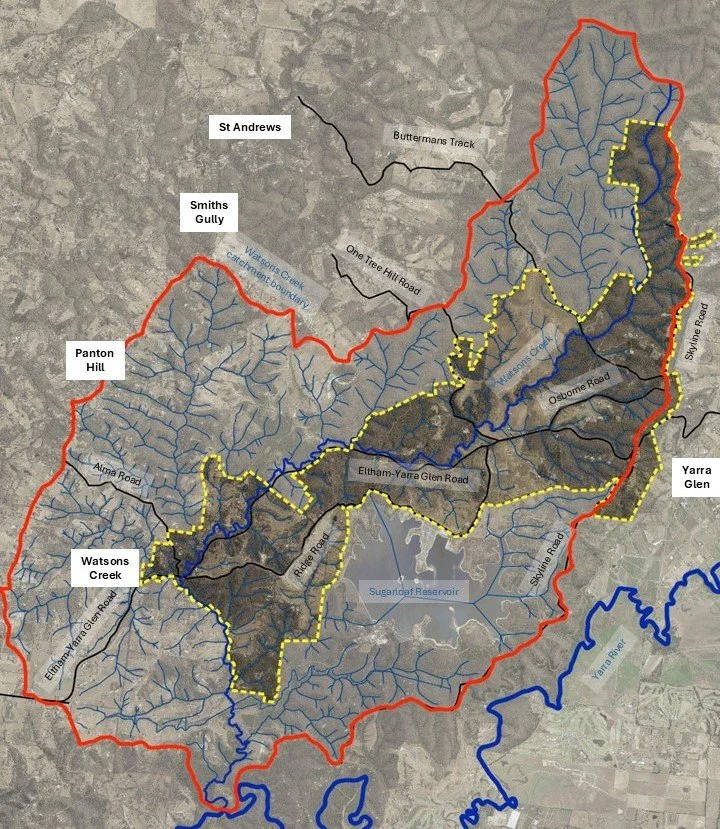
The Christmas Hills Landcare Group boundary encompasses an area of 2737 hectares containing an estimated 229 properties, the majority of these falling within the Shire of Nillumbik. Properties within the Shire of Yarra Ranges with driveways entering off Skyline Road (the municipal boundary) are also included.
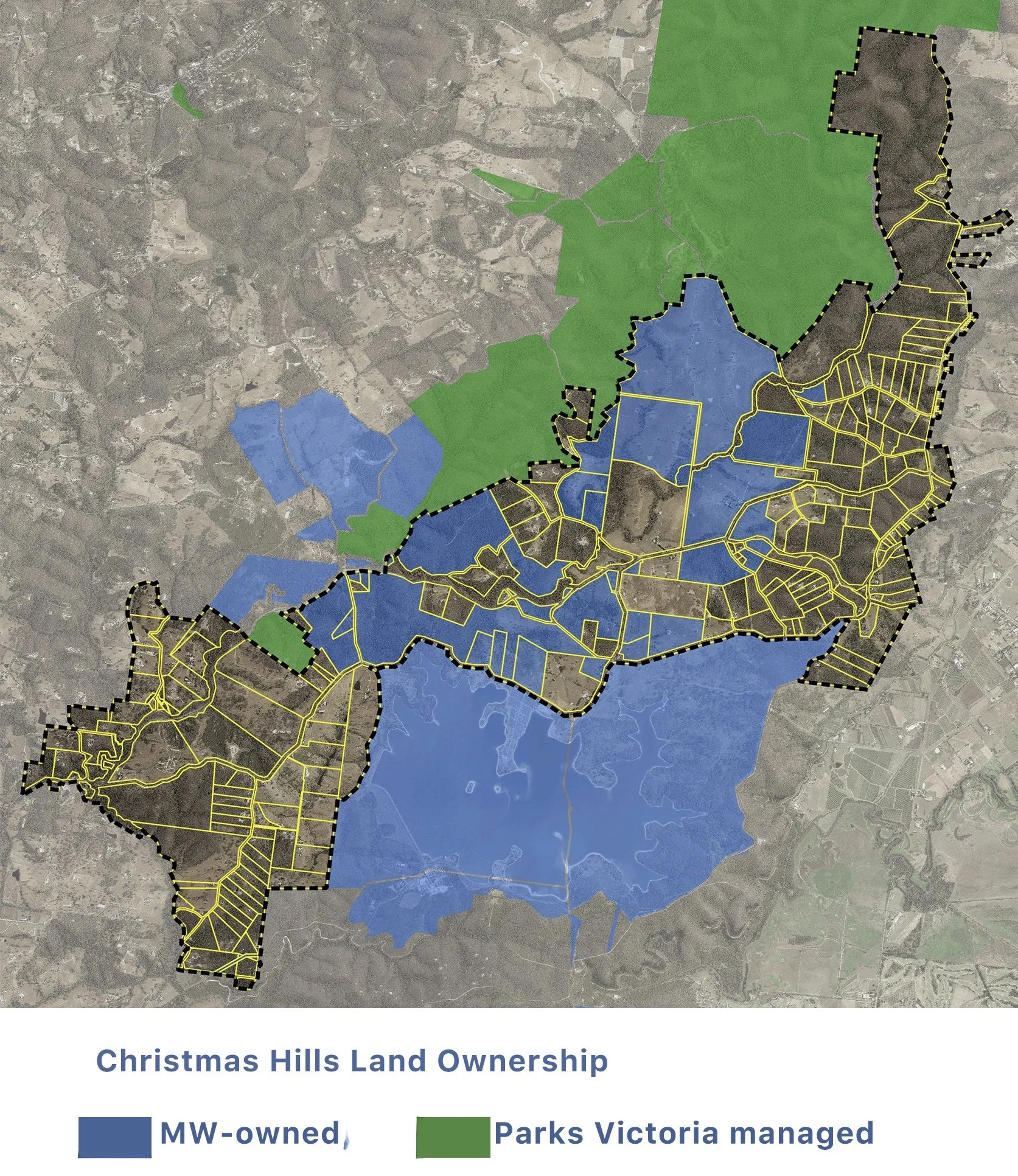
Most of these properties are privately owned while approximately 30 are owned by Melbourne Water. The Christmas Hills Landcare Group occupies a third of the catchment of the Watsons Creek, an important tributary of the Birrarung (Yarra River). Melbourne water purchased the land in the 1970s with a plan to build the Watsons Creek Dam. These plans have since been abandoned.
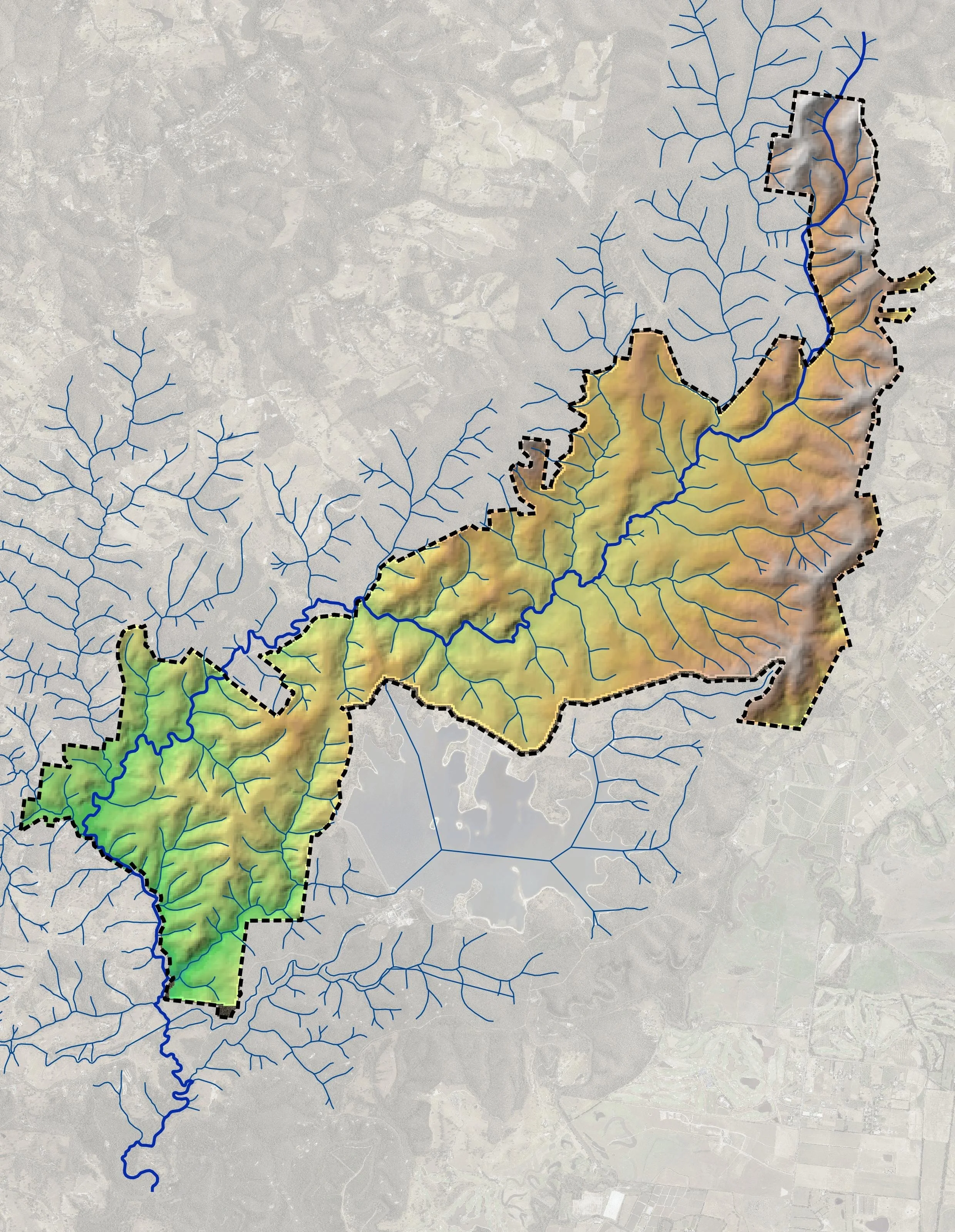
The underlying geology of broadly folded late Silurian-early Devonian sedimentary rocks has created hilly country with shallow, dry stony soils on the ridges and deeper slopes, and colluvial soils in the intervening valleys.
Our Natural Environment
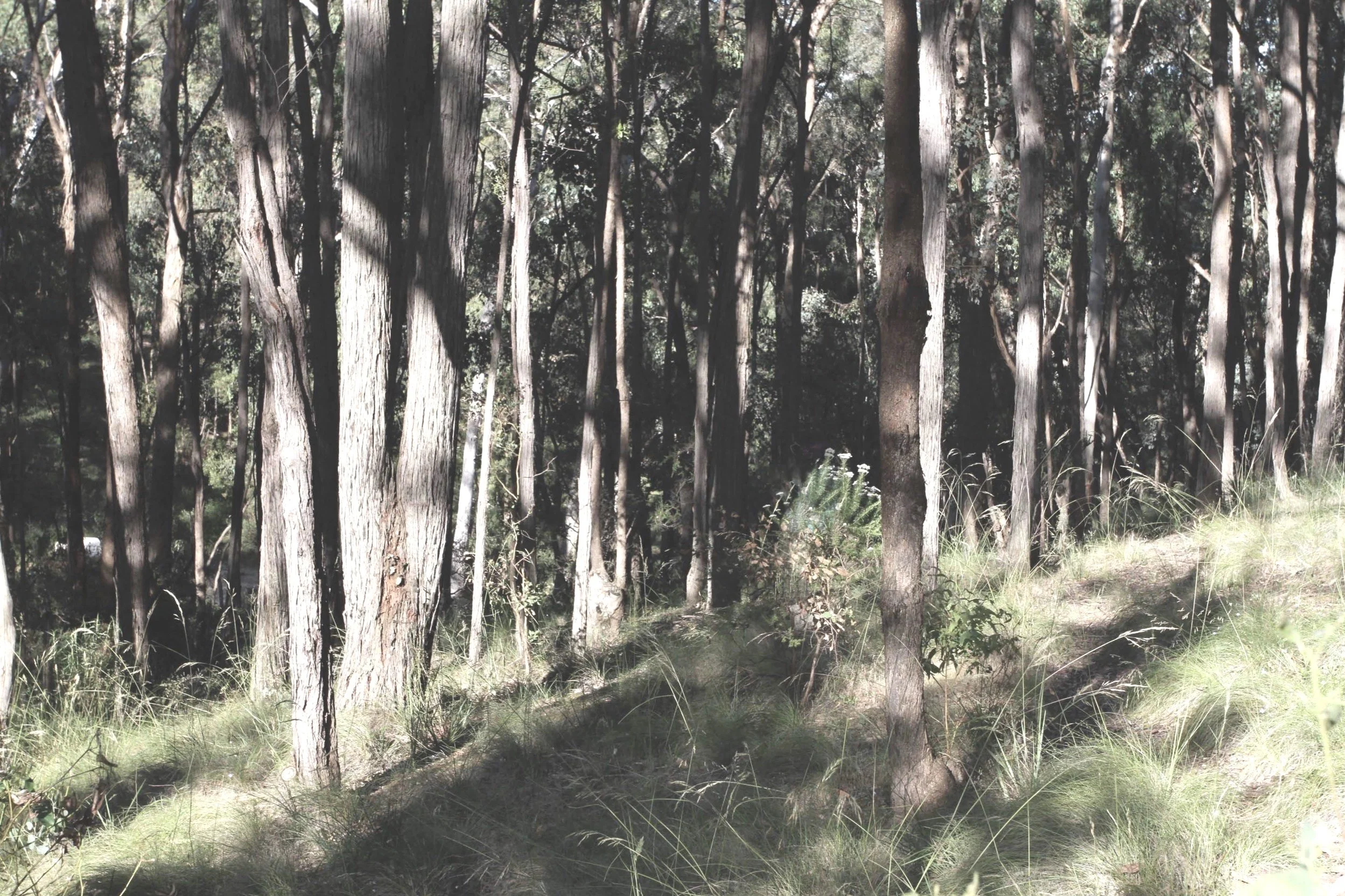
Significantly, more than half of the Landcare group area is covered by remnant vegetation. Combined with the vegetation in the Bend of Islands, its proximity to the Warrandyte-Kinglake Conservation Reserve, and its position between the Kinglake National Park and the Yarra River means Christmas Hills plays an important function connecting these habitats. This importance has been recognised in the Burndap Birrarung burndap umarkoo (Yarra Strategic Plan) as a new area for protection known as the ‘Kinglake-Yarra Biodiversity Corridor’ (page 110).
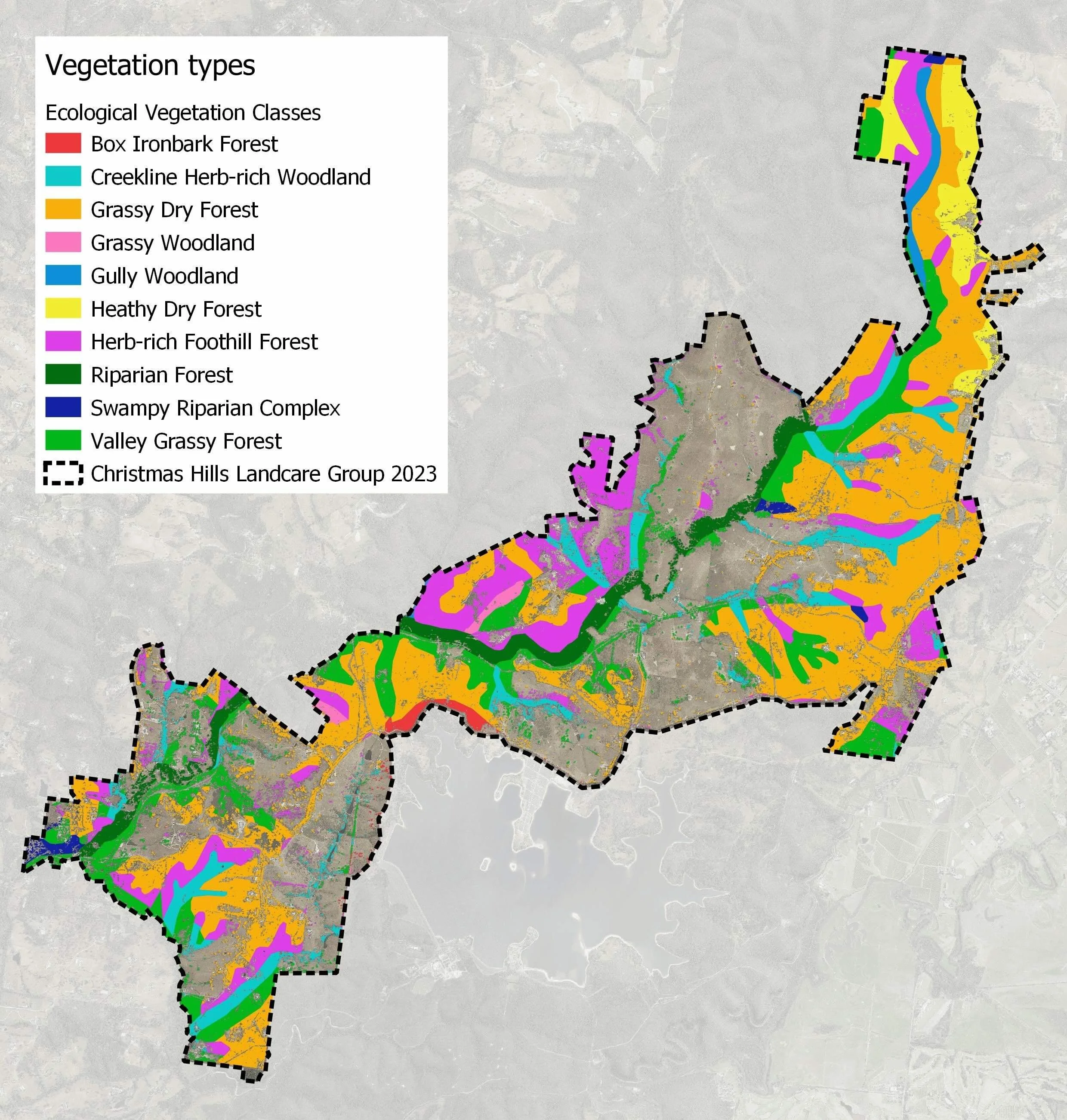
Ecological Vegetation Classes (EVCs) are the standard unit for classifying vegetation types in Victoria. EVCs are described through a combination of floristics, lifeforms and ecological characteristics, and association with particular environmental attributes.
There are ten EVCs recognised as still being present within the Christmas Hills Landcare Group boundary.
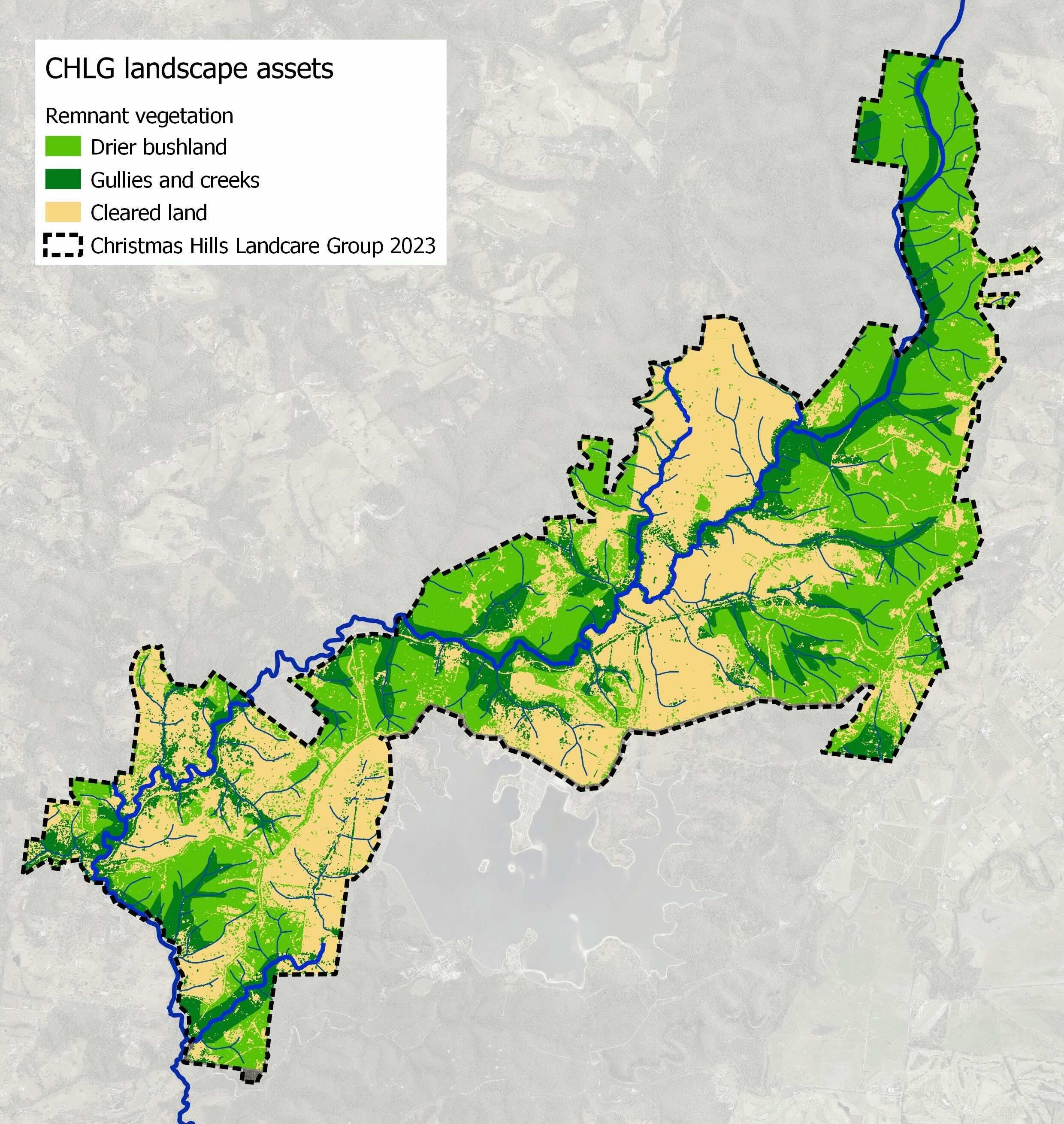
For strategic planning purposes we have defined three major ‘landscape assets’ based on combinations of remnant EVCs:
Drier Bushland (EVCs 20, 22, 23 & 61)
Gullies and Creeks (EVCs 18, 47, 126, 164, 175 & 902
Cleared Land (remaining areas where native vegetation has been largely cleared)
More information on these ten EVCs can be found here.
Our Flora and Fauna
Some of the species listed as threatened in the Flora and Fauna Guarantee Act 1988 - Threatened List (March 2025) that have been recorded in Christmas Hills by members of the Christmas Hills Landcare Group include:
Gang-gang Cockatoo (Callocephalon fimbriatum)
Powerful Owl (Ninox strenua)
Brush-tailed Phascogale (Phascogale tapoatafa)
Slender-tailed Dunnart (Sminthopsis murina murina)
Grey-headed Flying-fox (Pteropus poliocephalus)
Lace Monitor (Varanus varius)
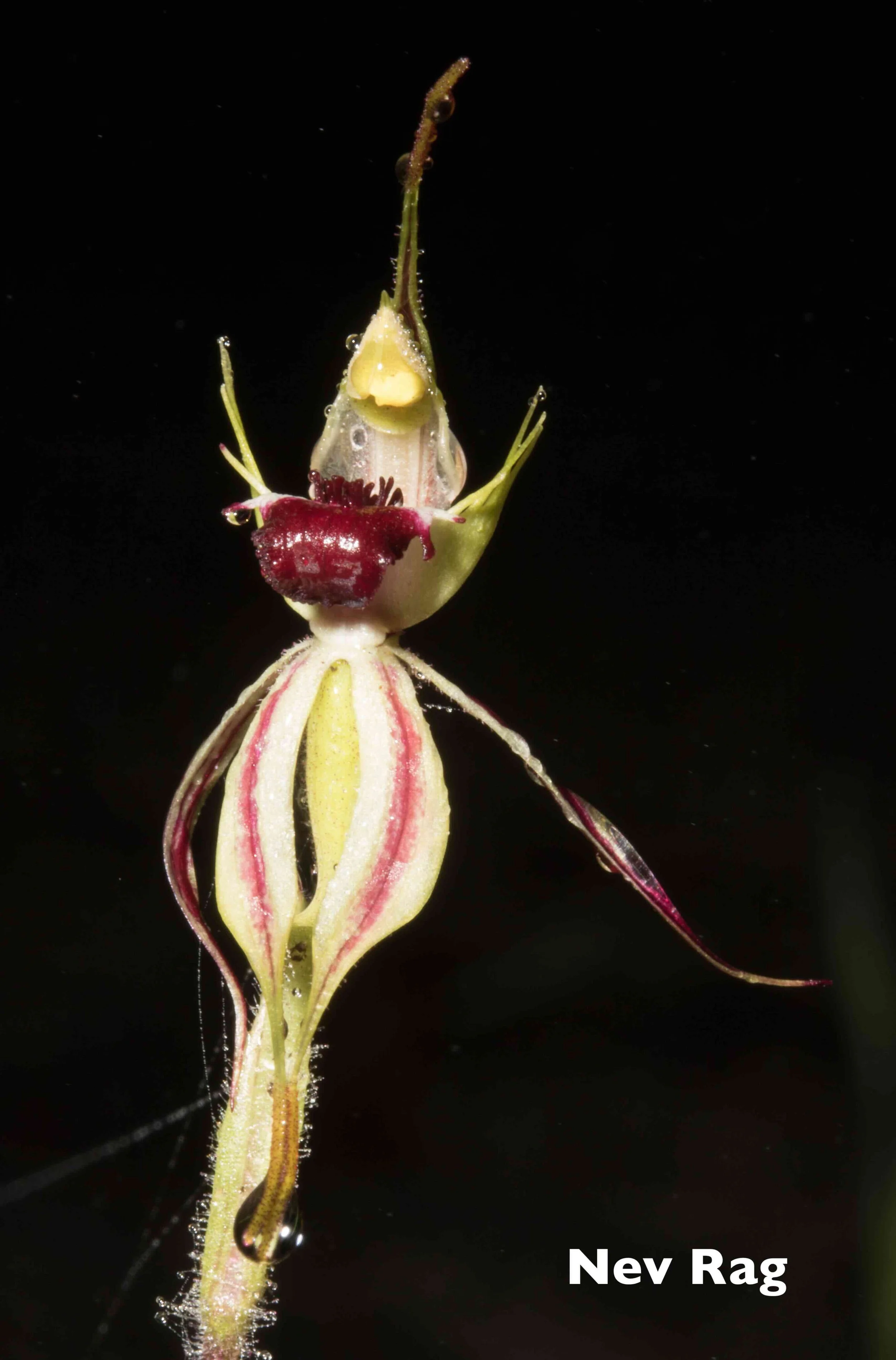
Rosella Spider Orchid (Caladenia rosella)
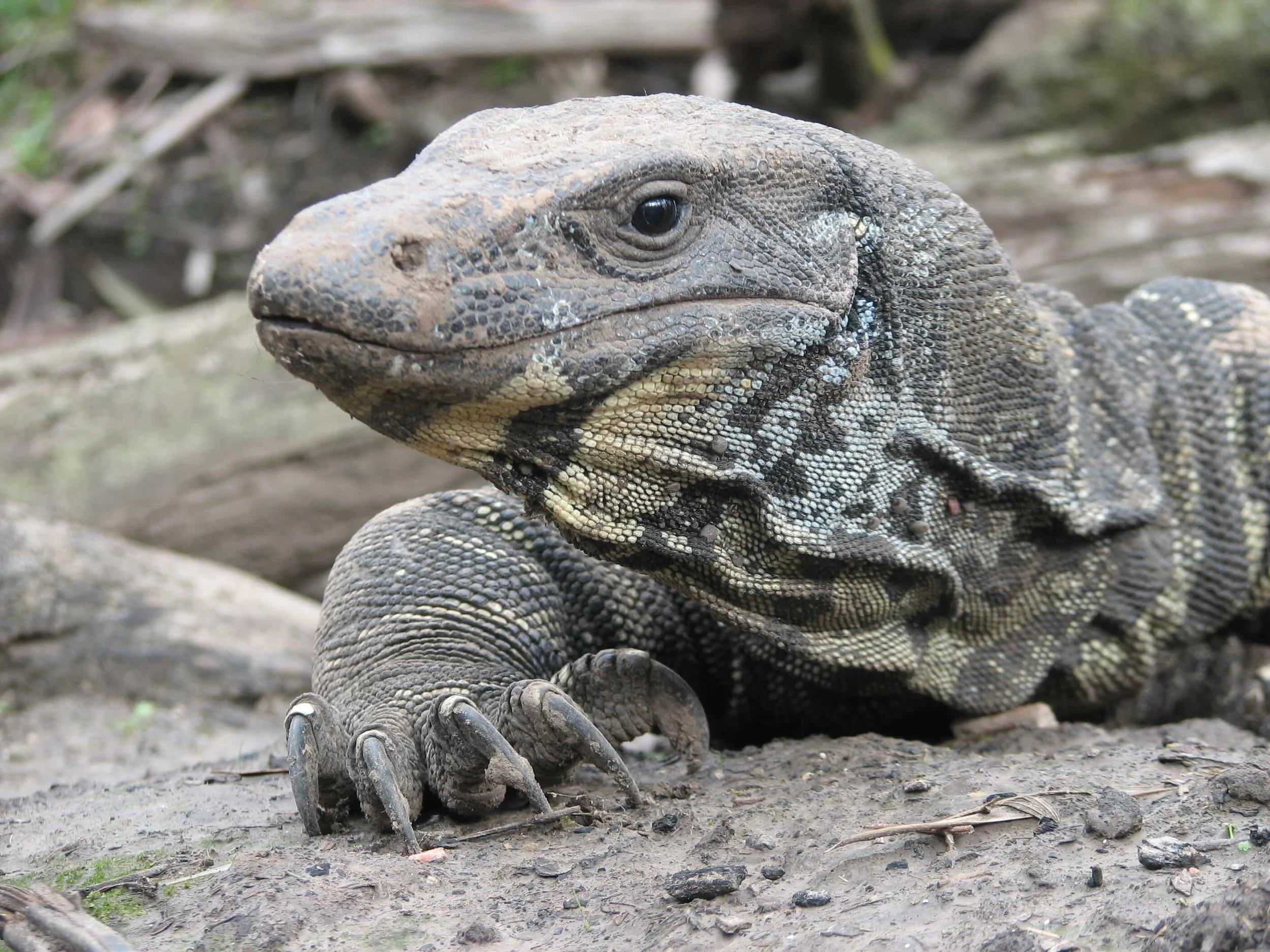
Lace Monitor
Image by Nev Ragg
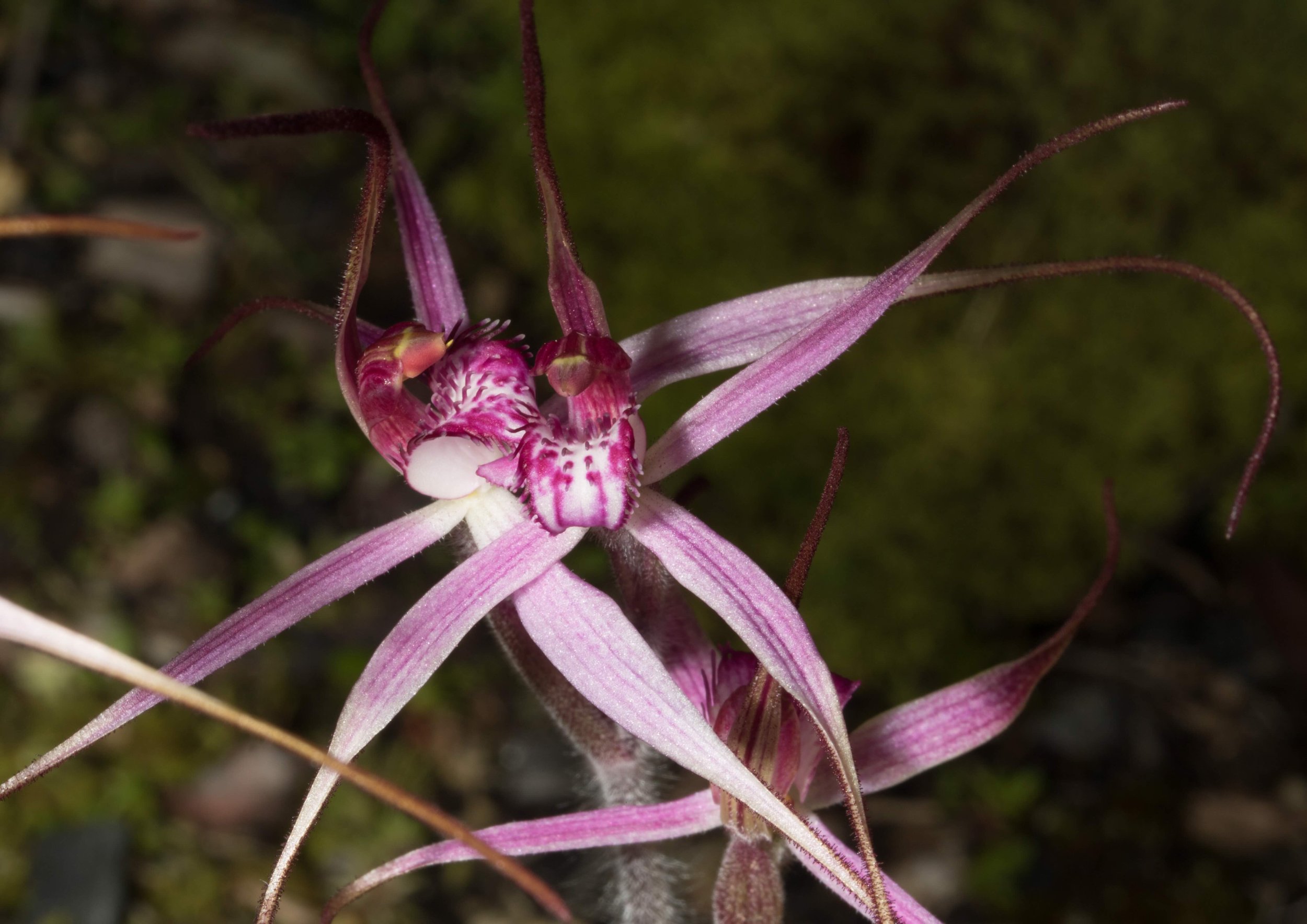
Rosella Spider Orchid
Image by Nev Ragg
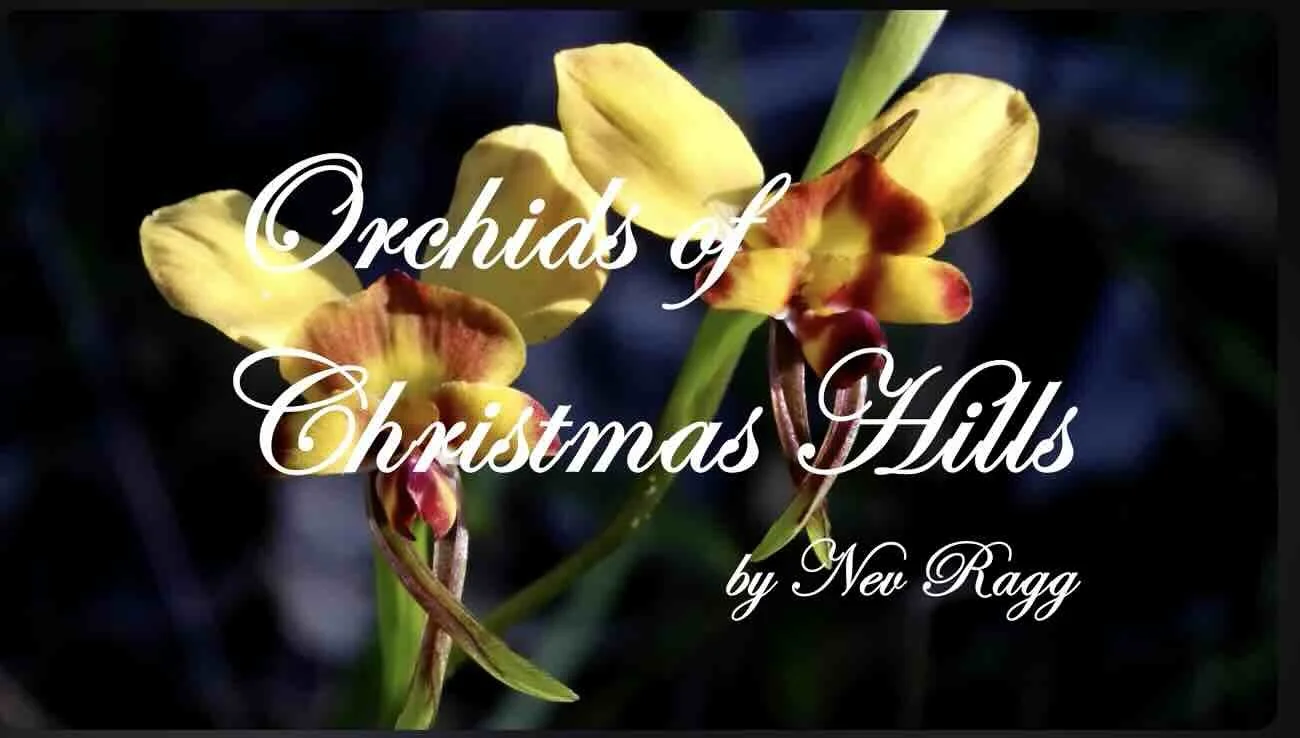
Many images of our local fauna and flora are also shared through the Friends of Christmas Hills Facebook page and as videos through the Christmas Hills Landcare Group YouTube channel.
Citizen Science
Christmas Hills Landcare Group members are encouraged to use the free citizen science platform, iNaturalist, to record their observations of the plants, animals and fungi that they find in Christmas Hills. All of these observations can be found in the iNaturalist project “Nature in Christmas Hills”.
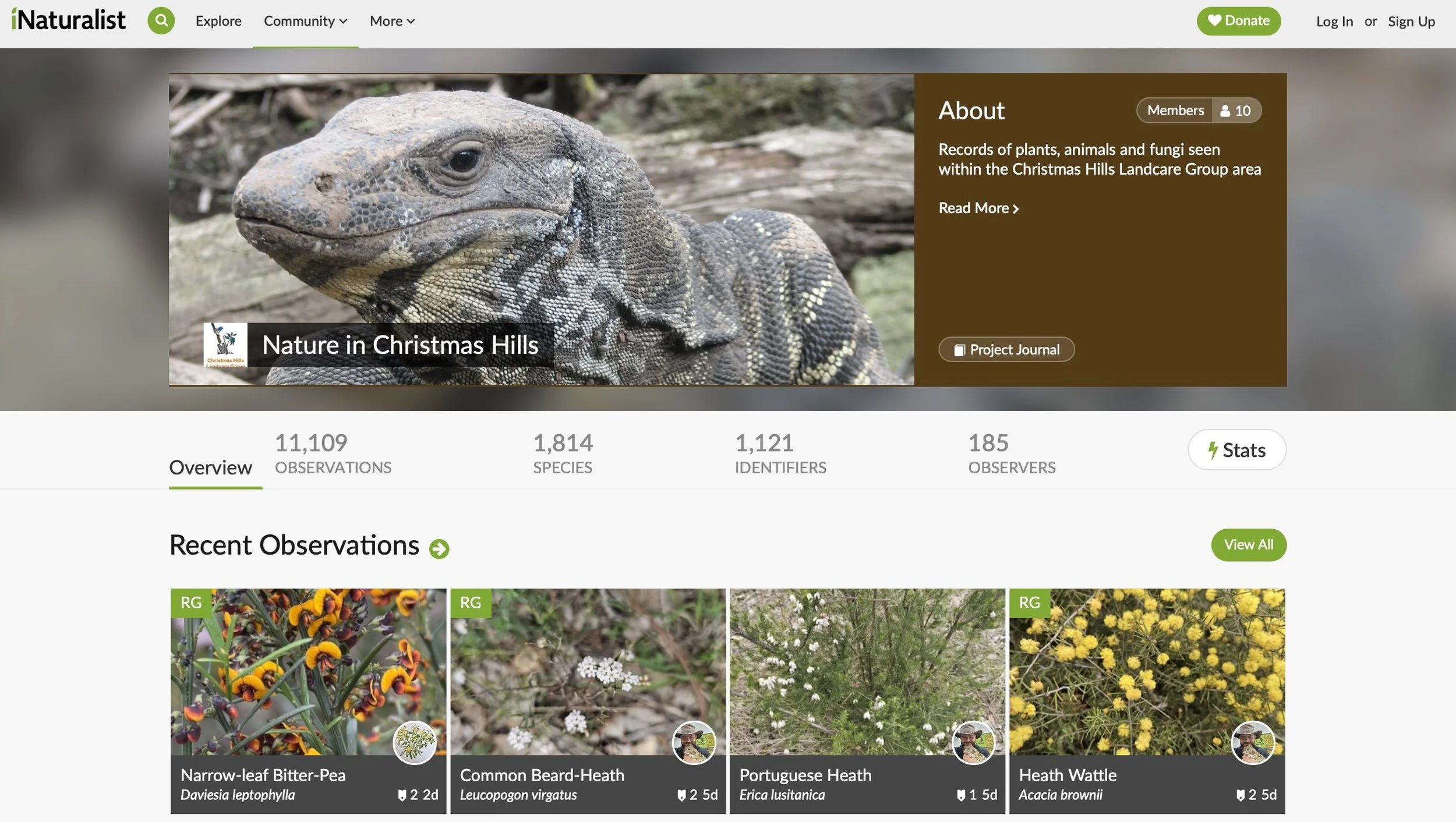
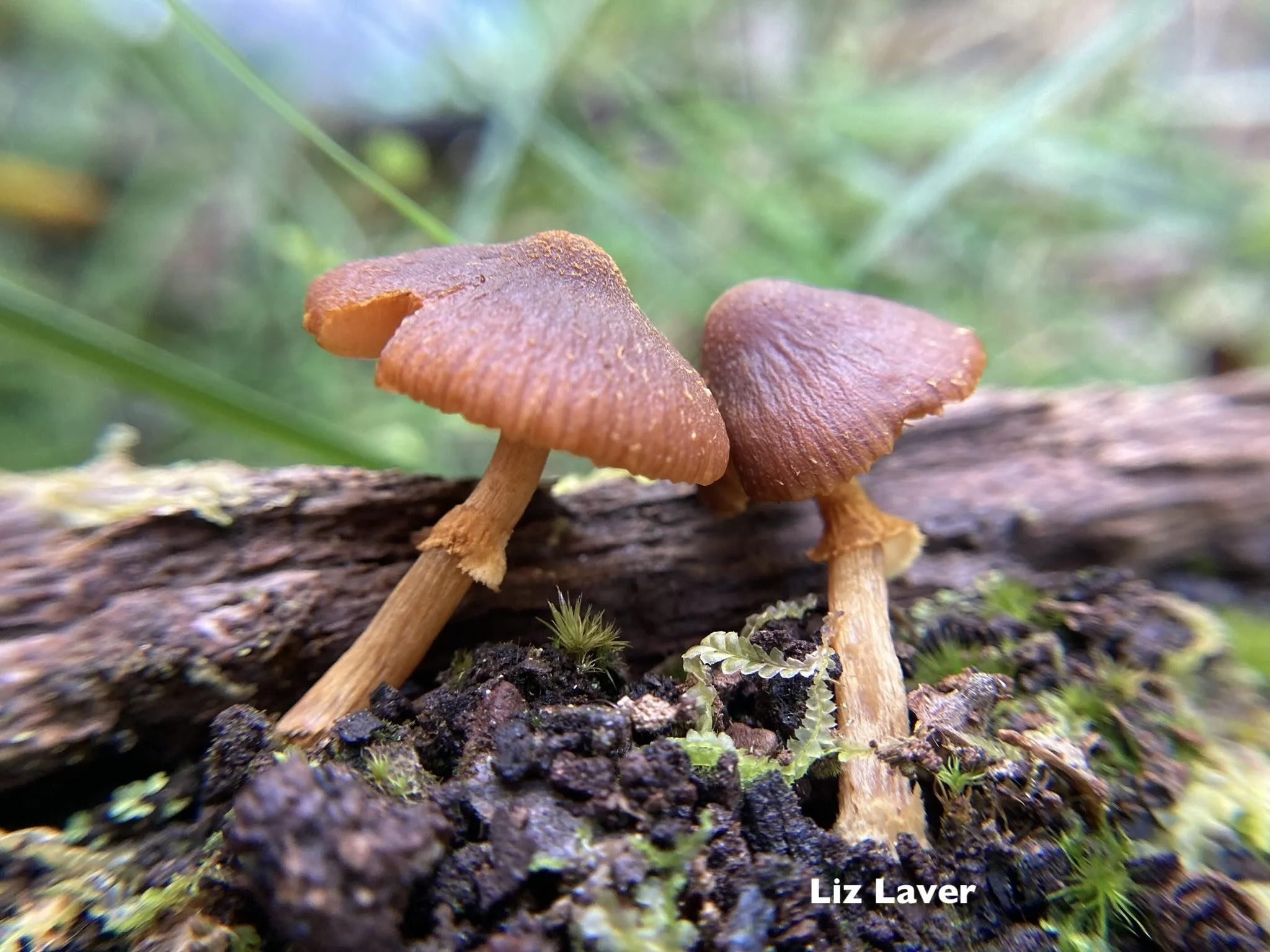
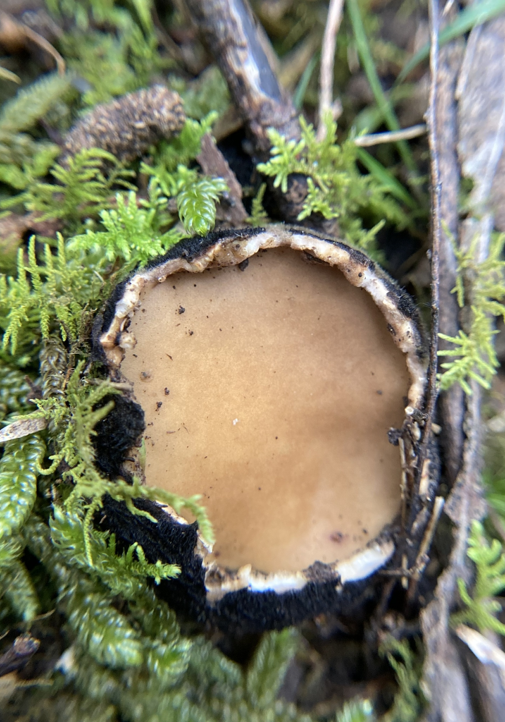
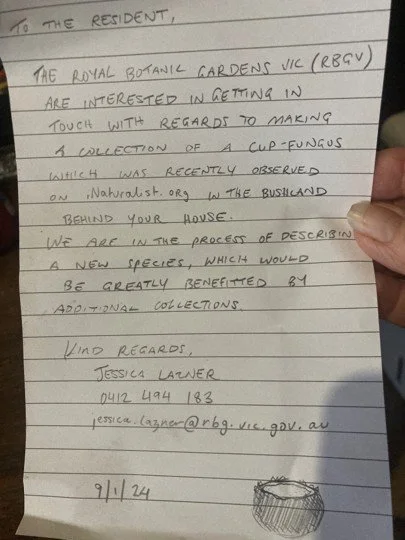
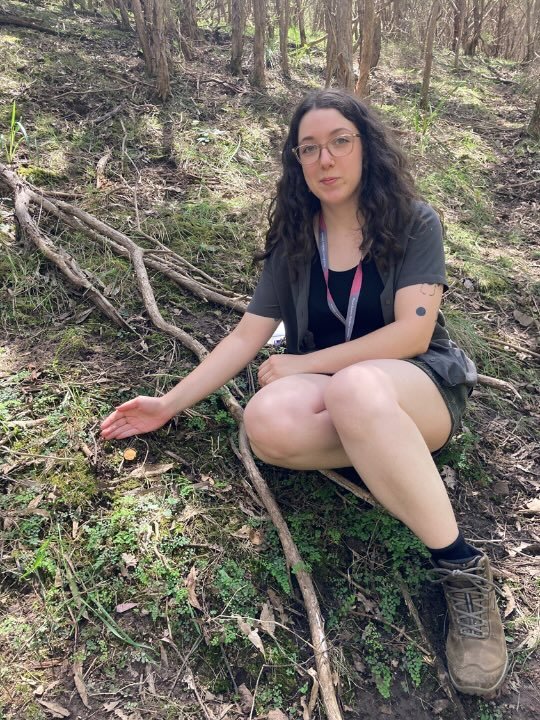
One member, Liz Laver, has been using iNaturalist to record a wide range of plants, animals and fungi that she encounters during her walks around Christmas Hills. On the 4th January 2024 she added an observation of an unusual looking cup fungi to iNaturalist. Five days later a hand-written note appeared in her letter box.
The letter was from Jessica Lazner from the Royal Botanic Gardens Victoria who was in the process of describing a new species of fungi in the Wolfina genus - the very fungus Liz had recorded in iNaturalist! Jess successfully arranged to meet Liz and collect a specimen to aid with the new species description.
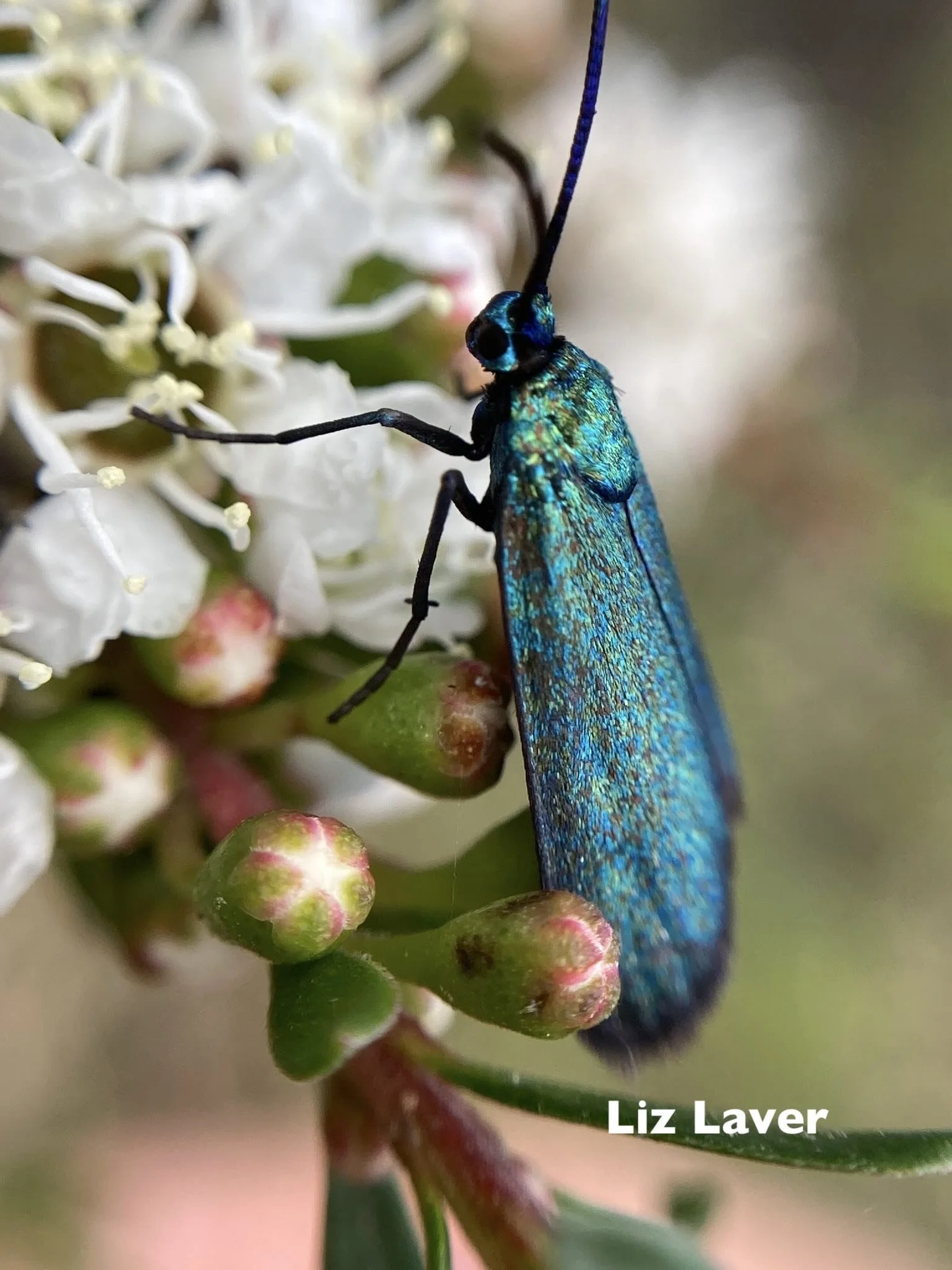
Another member, Doug Evans, was introduced to iNaturalist early in 2021 through the City Nature Challenge, and to the world of moths through an associated event in Warranwood run by the Entomological Society of Victoria.
Amazed by the variety of moths seen on that night, Doug began adding to iNaturalist observations of the different moths he could find on his own property.
In December that year the Christmas Hills Landcare Group ran their own evening event “Moths of Christmas Hills” with Peter Marriott, co-author of Moths of Victoria. By then, Doug had already recorded 57 different moth species, and added another 22 species that night!
This quickly led to purchase of a special ‘moth lamp’ and use of it at increasing frequency. By the end of 2022 Doug had recorded 412 different species on his property and by the end of 2025 an incredible 623 species!
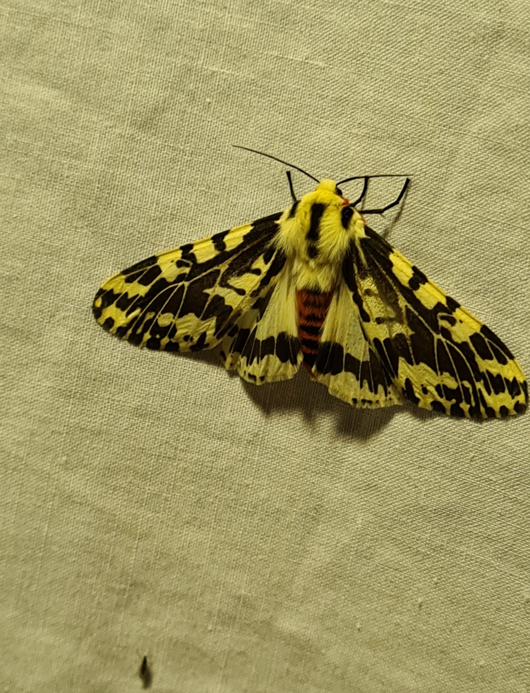
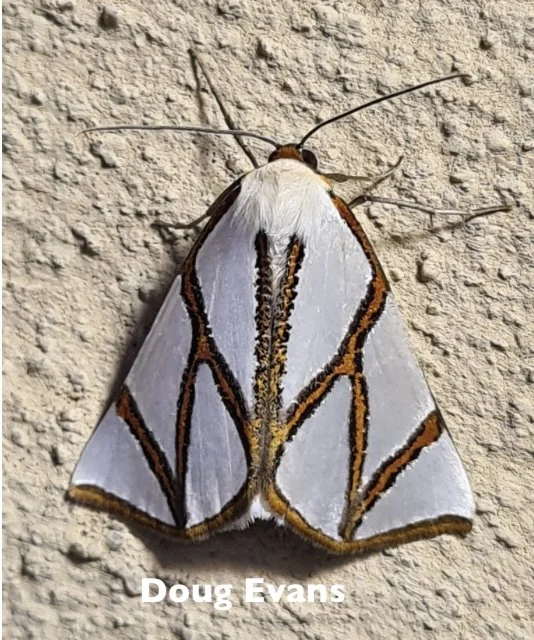
Ardices glatignyi
First ever moth (at Warranwood)
1st May 2021
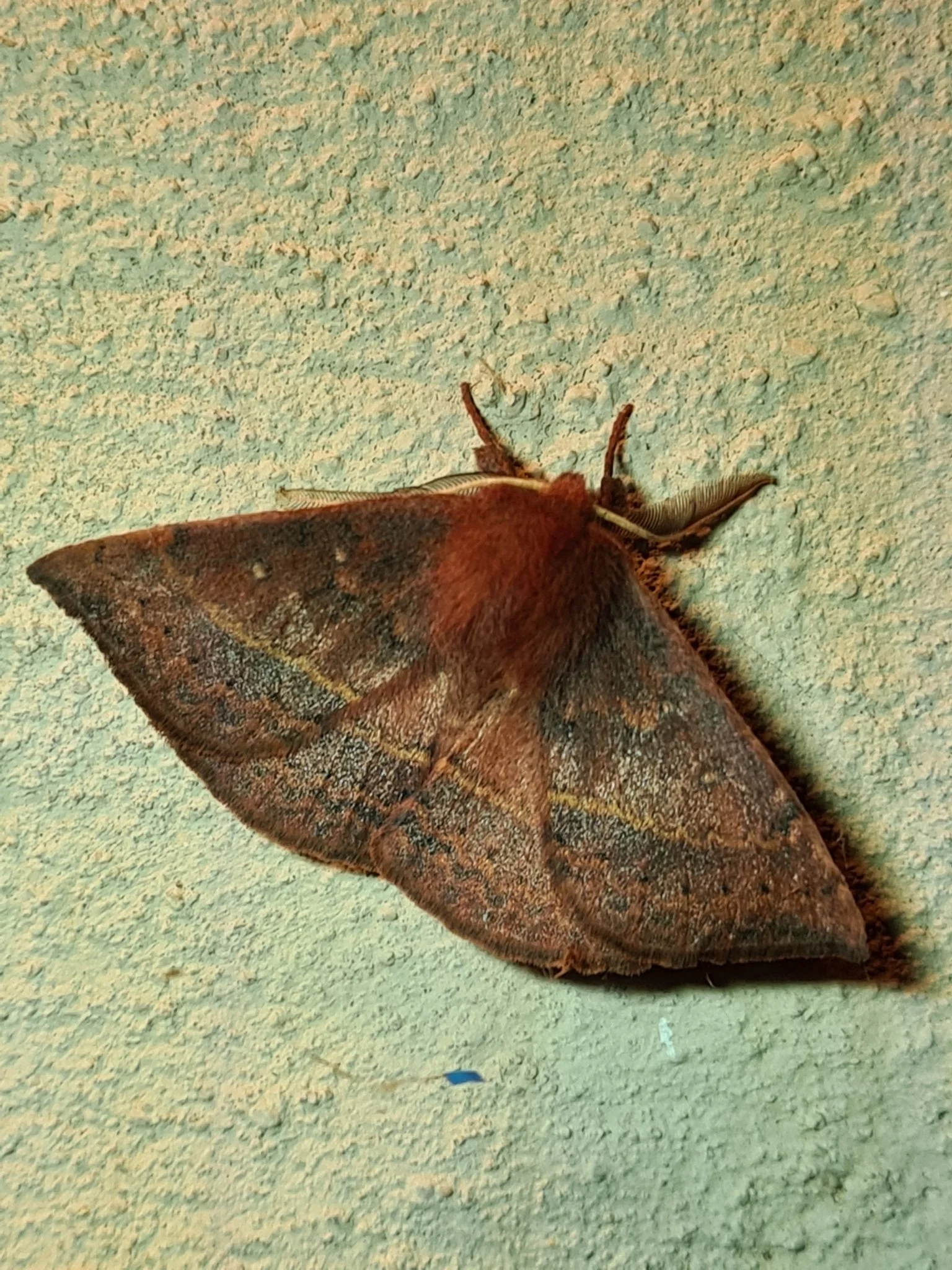
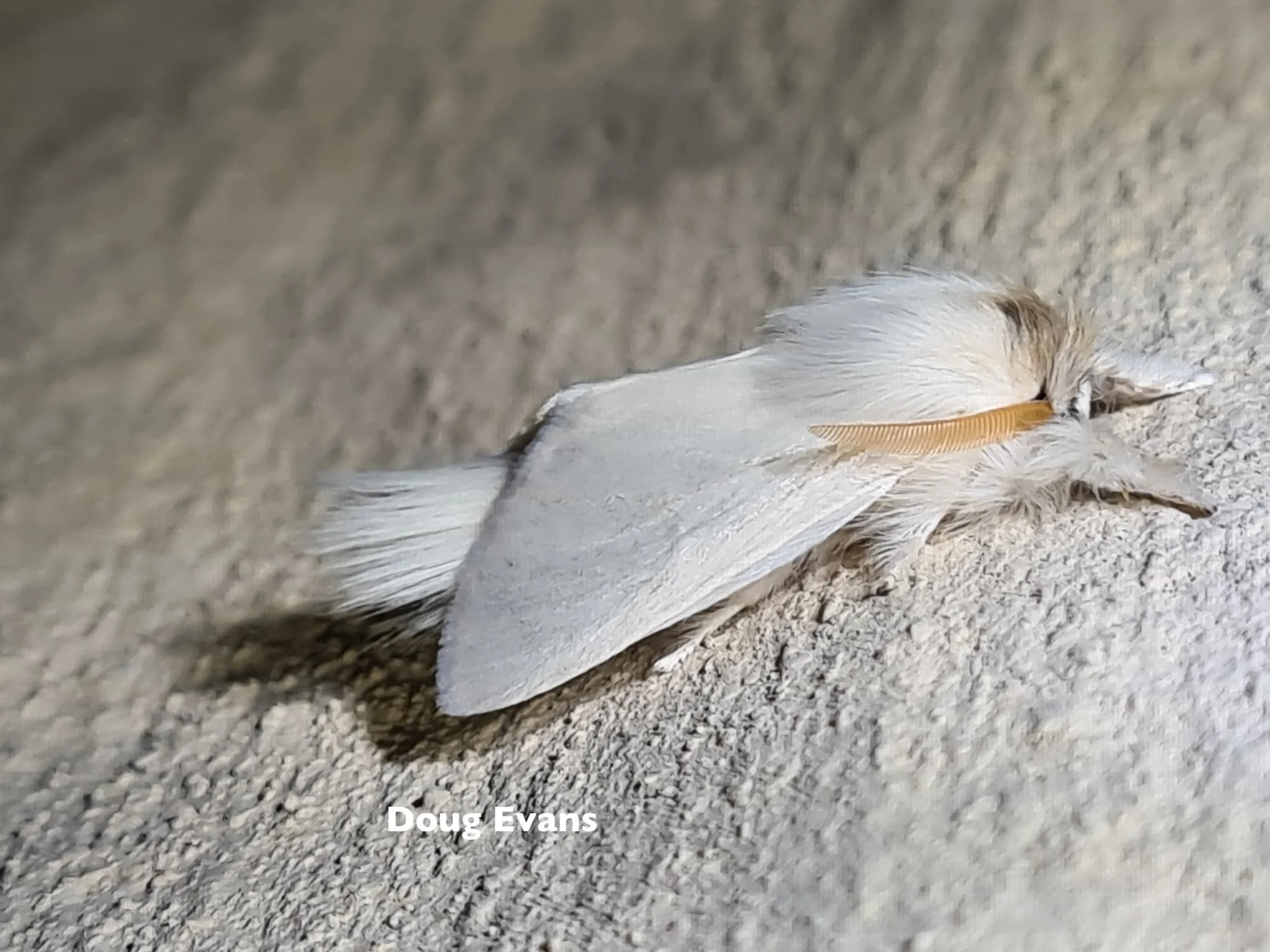
Anthela repleta
First moth at home
16th June 2021
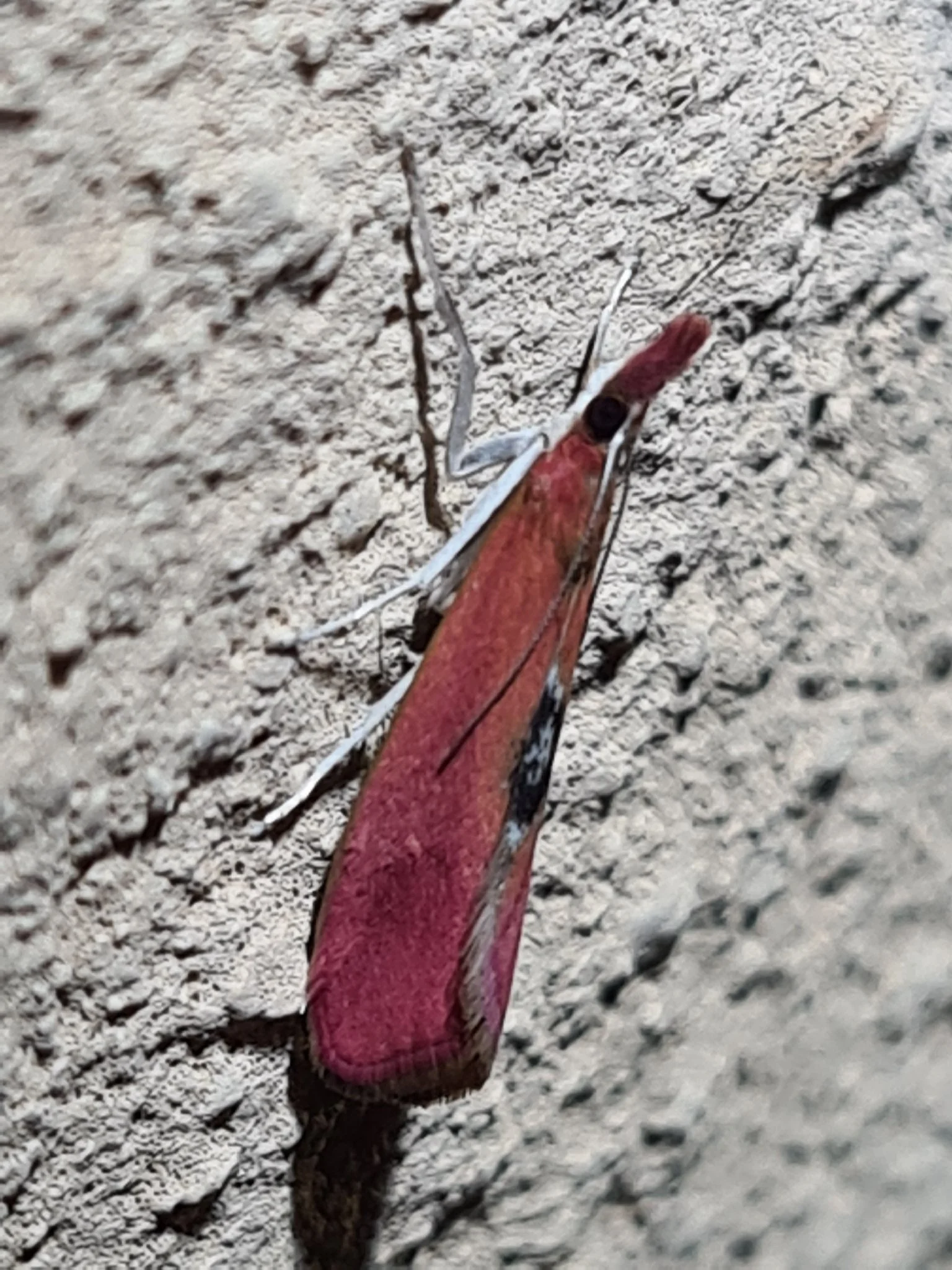
Canuza euspilella
623rd moth at home
8th December 2025
The Melbourne Museum is interested in receiving the remains of native fauna that you may encounter on bush walks, in the garden or whilst driving. These remains provide useful data for researchers. Researchers take tissue samples from fresh carcasses up to three days old that have been refrigerated. After three days the carcass needs to be frozen and is no longer useful for tissue culture but may still be valuable for the Museum Collection.
Over the past year the museum has been pleased to accept donations of a phascogale, a corella, a small wombat, a fan-tailed cuckoo and a turtle, found while on walks, by Joy Bell.
Our nature videos
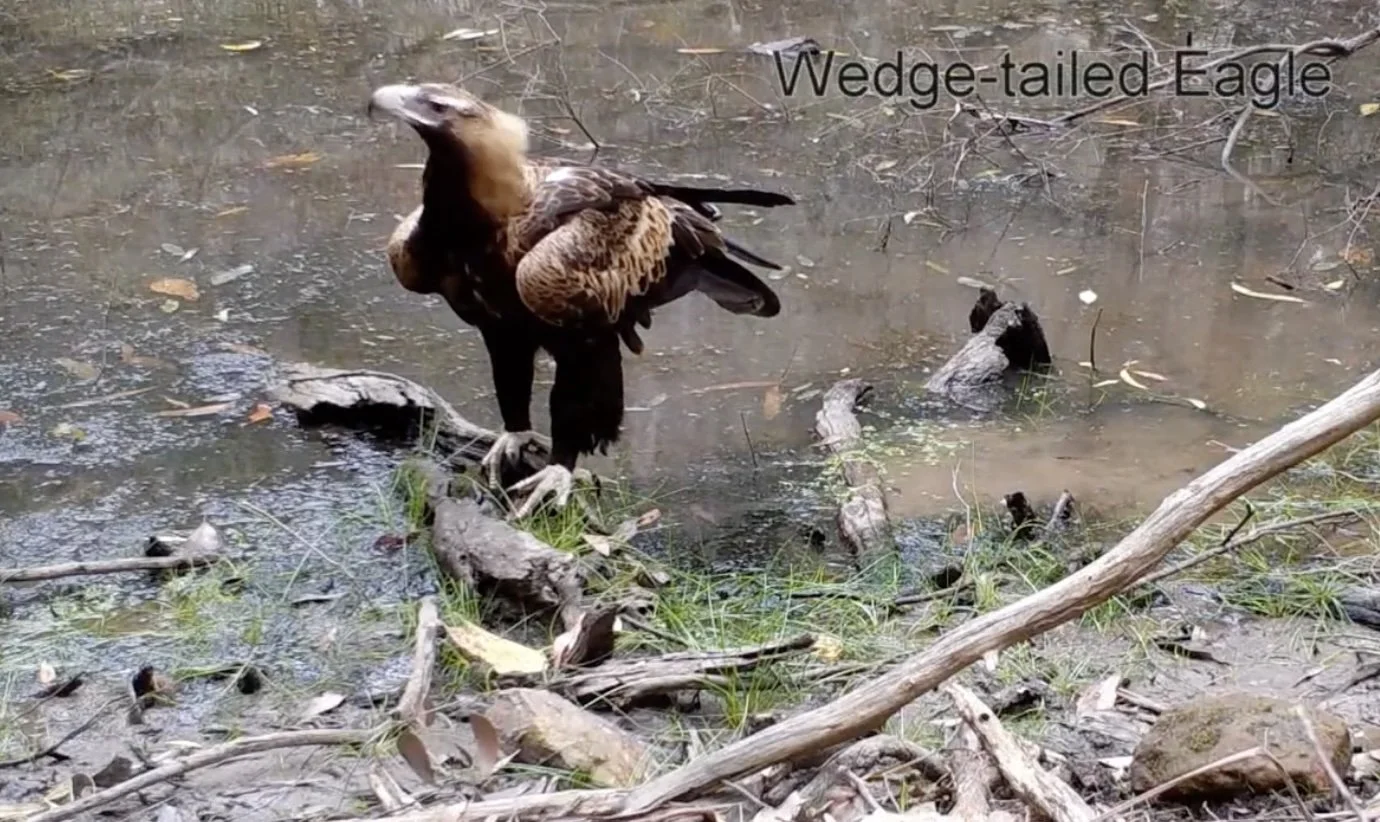
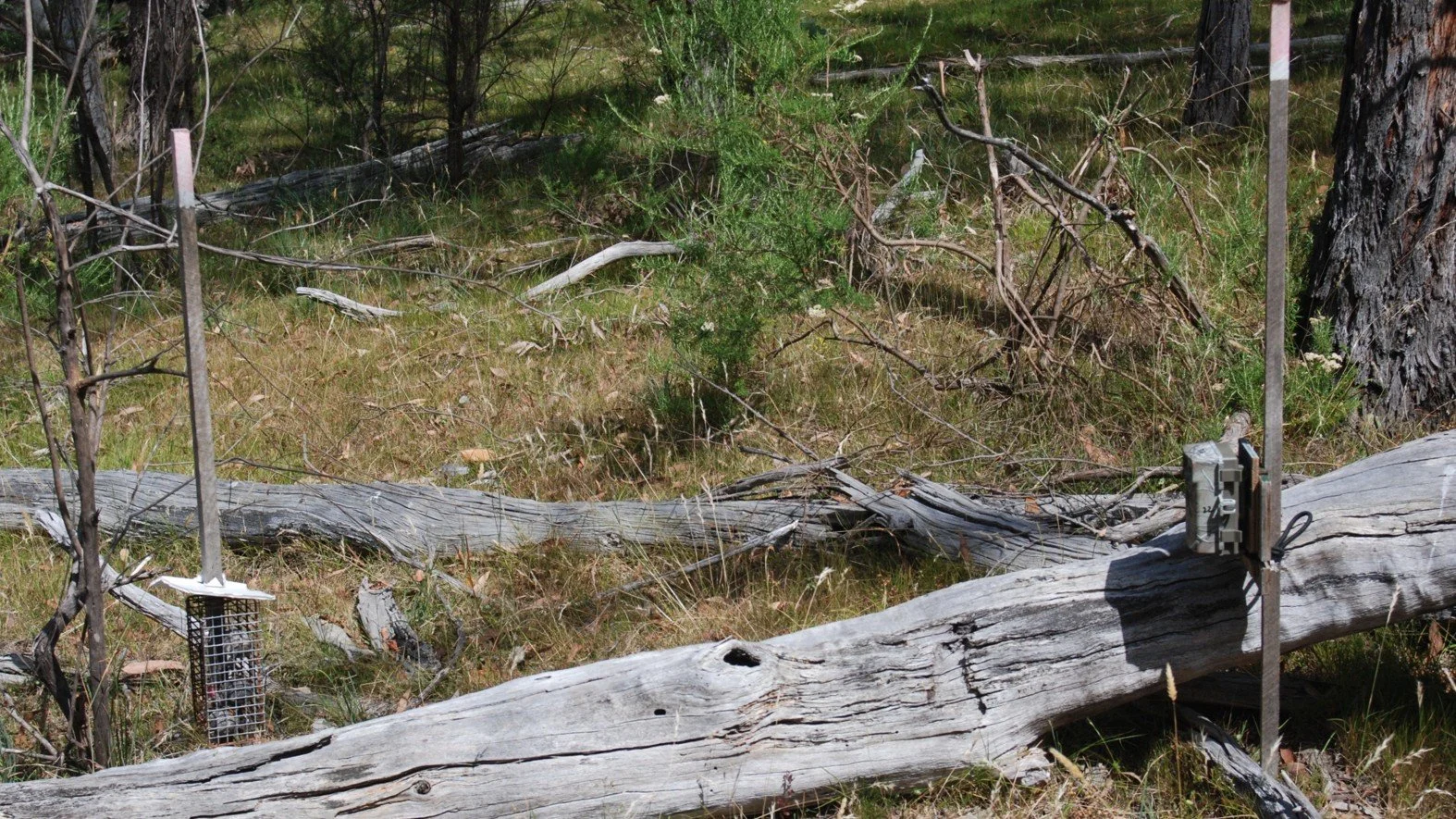
Christmas Hills Landcare has a long-running Community fauna monitoring program where landholders are provided with motion-sensing infrared cameras to record fauna occurring on their property. At the end of each year a video presentation summarising what was captured on the cameras during the year is shown to group members at the final event for the year.
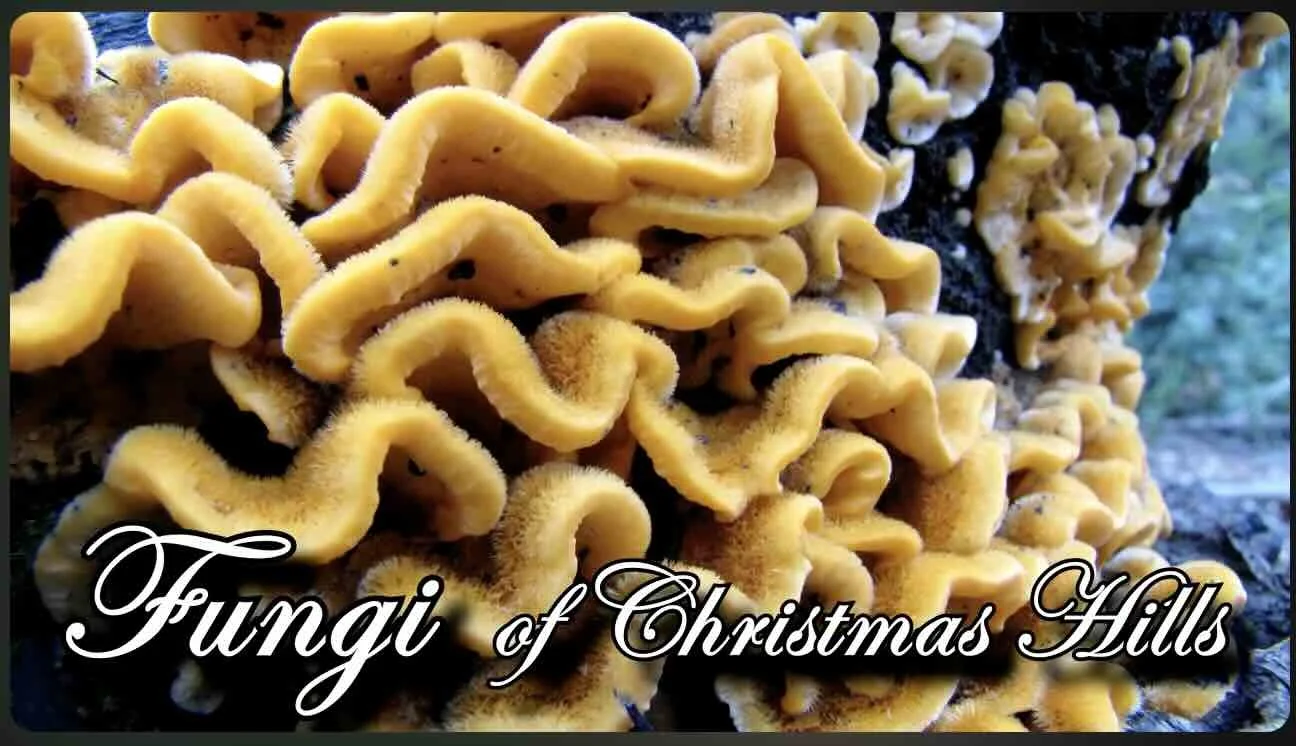
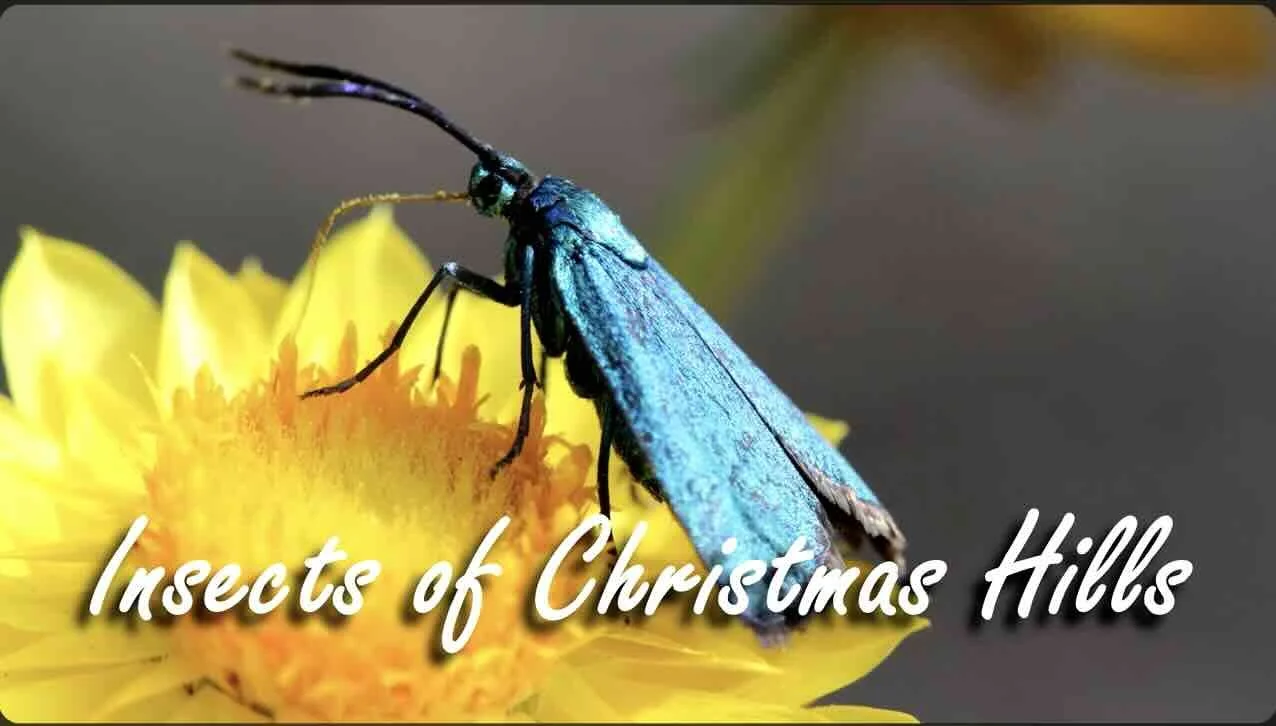
In addition, several video compilations have been made depicting the wide range of the species diversity found in Christmas Hills including plants, fungi, birds and invertebrates. Some of the videos and compilations have been uploaded to the Christmas Hills YouTube channel.