
Dunmoochin
Landcare Group
The Ecology of Dunmoochin
Dunmoochin Ecosystems
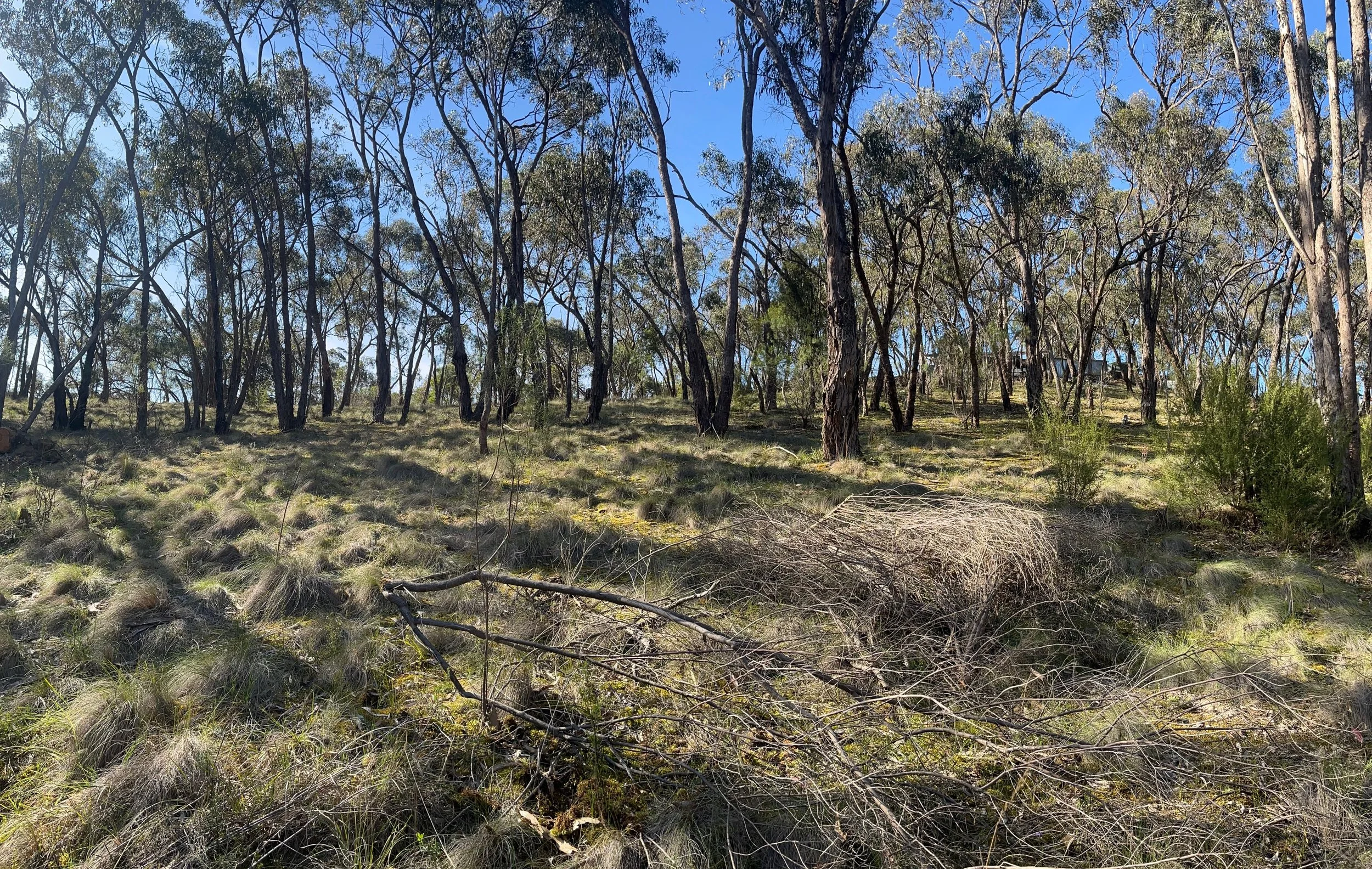
Dunmoochin is made up of several ecosystems (Creekline Herb-rich Woodland, Herb-rich Foothill Forest, Grassy Dry Forest, and Valley Grassy Forest) that support a rich and diverse array of indigenous flora and fauna. This includes understorey wildflowers, shrubs, and wonderful eucalypt species that provide hollows for gliders, other possums, insectivorous bird species, and larger birds such as cockatoos, owls, and nightjars. Large marsupials such as swamp wallabies are also present, along with a wide range of ecologically important reptiles, including Weasel Skinks.
Dunmoochin also supports one of the largest populations in the shire of the Brush-tailed Phascogale, a remarkable dasyurid species with one of the brushiest tails you will ever see, which is listed as vulnerable under the FFGA Act.
Valley Grassy Forest
The two most widely represented EVCs with the highest richness of wildflowers are Grassy Dry Forest and Valley Grassy Forest. Valley Grassy Forest is a threatened EVC, and on the banks of this EVC are our Wine-lipped Spider-orchids (Caladenia oenochila). This orchid species has a Critically Endangered listing under the Victorian Flora and Fauna Guarantee Act.
The Valley Grassy Forests hold more moisture in the landscape and therefore do not feature Red-anther Wallaby Grass tussocks to the same degree. Instead, they contain a higher diversity of native grasses and different wildflower species, such as Austral Bugle, Dianella longifolia, Glycine species, and Bear’s-ear.
Trees with hollows occur in all ecosystems in the area. However, the Valley Grassy Forest EVC is where you will find our largest trees. Some Candlebarks in our valleys appear to be more than 200 years old, and a particularly large Yellow Box seems to be of a similar age. This is also the EVC that supports Swamp Gums.
Grassy Dry Forest
The Grassy Dry Forest EVC is characterised, in its more intact examples, by large patches of Red-anther Wallaby Grass with indigenous orchids, daisies, and lilies dispersed in the inter-tussock spaces.
In some of our best-preserved sites—where we regularly hold working bees—these patches display amazing wildflower colour, a rich array of insects, and offer genuine inspiration for residents to apply conservation techniques on their own properties to help restore wildflower diversity.
The Grassy Dry Forest is where the Rosella Spider-orchid (Caladenia rosella) in Dunmoochin is found. This orchid species has an Endangered conservation status under the EPBC Act.
Our Eucalypts
Red Stringybark and Red Box are our two most abundant eucalypts and are found in the drier ecosystems. They have dense wood and do not produce hollows as readily as our majestic Long-leaf Box specimens.
That said, I know of a property in the shire with huge Red Box trees containing hollows large enough for Powerful Owls—a strong indicator of their age. It’s also worth noting that hollows are simply cavities with suitable internal features for a mammal, meaning that a hollow used by a Feather-tailed Glider might be barely noticeable to the human eye.
Red Box has had mass flowering events in the past, and in combination with droughts in NSW, these events have pushed the Scarlet Honeyeater into the shire, where they were regularly seen and heard feeding on Red Box blossom—such a fantastic bird!
Red Stringybark is also favoured by birds and gliders for nesting material, and by insectivorous species such as the White-throated Treecreeper and Brush-tailed Phascogale, which forage for insects within its bark grooves.
Conservation at Dunmoochin
Unfortunately, like many ecosystems in the shire, naturalised grasses, bulbous weeds, and Sambar deer are abundant throughout our Landcare site. As a result, we spend a lot of our working bees managing these impacts.
This mainly involves weeding and building enclosures and cages. However, a big chunk of our working bees also involves walking around the area and admiring our fantastic flora and fauna, as well as conducting surveys to monitor the success of our works and checking on nest boxes.
Activities include, but are not limited to:
Weeding inside enclosures (they build up as rabbits nibble on the grass blades)
Removing noxious bulbous weeds, such as Bridal Creeper
Building cages to protect orchids (otherwise White-winged Choughs might dig them up)
Checking nest boxes with a pole camera
Wildflower walks to admire the diverse array of wildflowers and their pollinators
Spotlighting events to observe nocturnal fauna and birds
Enclosure maintenance, including checking for fallen limbs on fences and repairing skirting
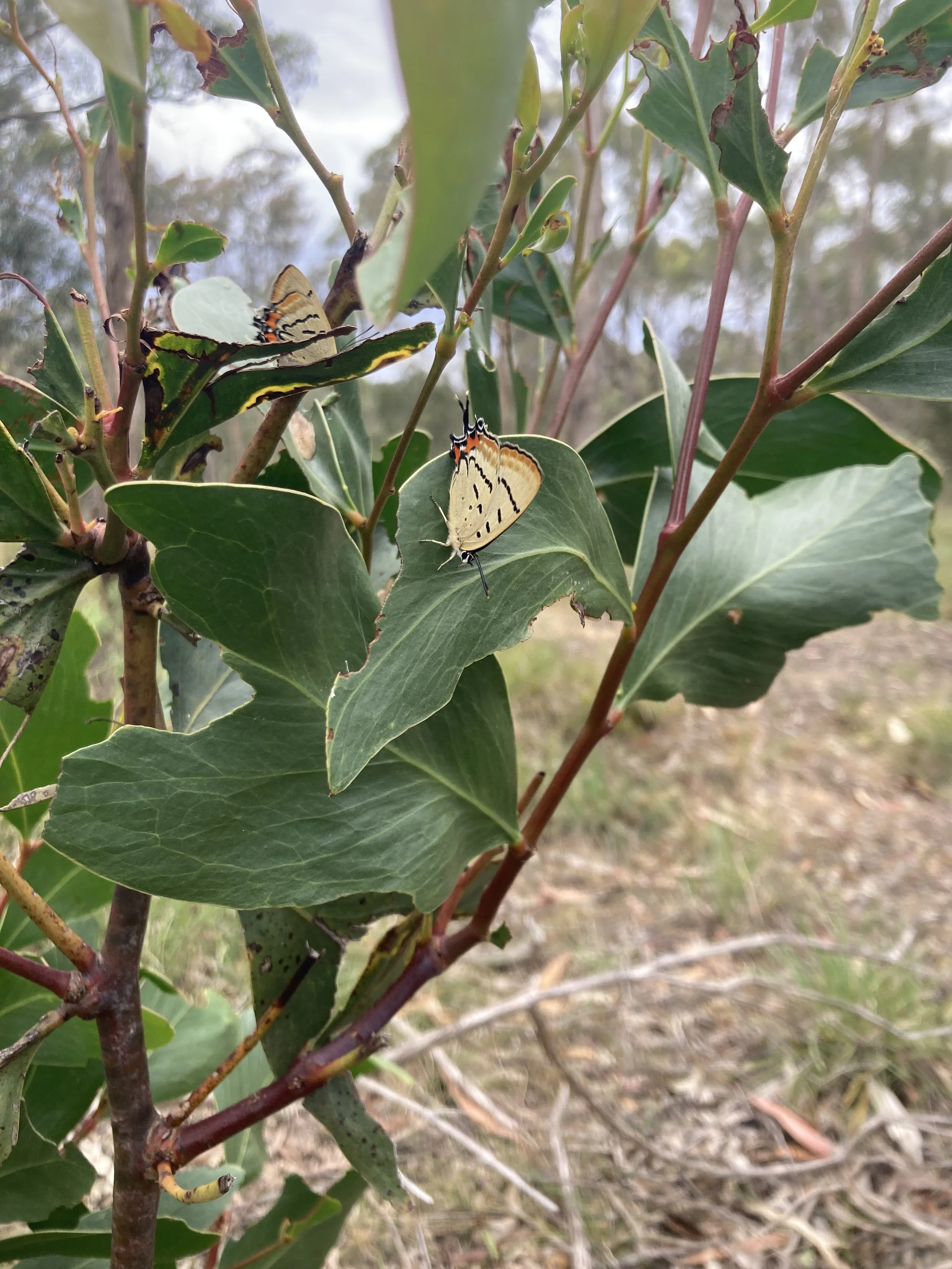
Imperial Hairstreak (Jalmenus evagoras)
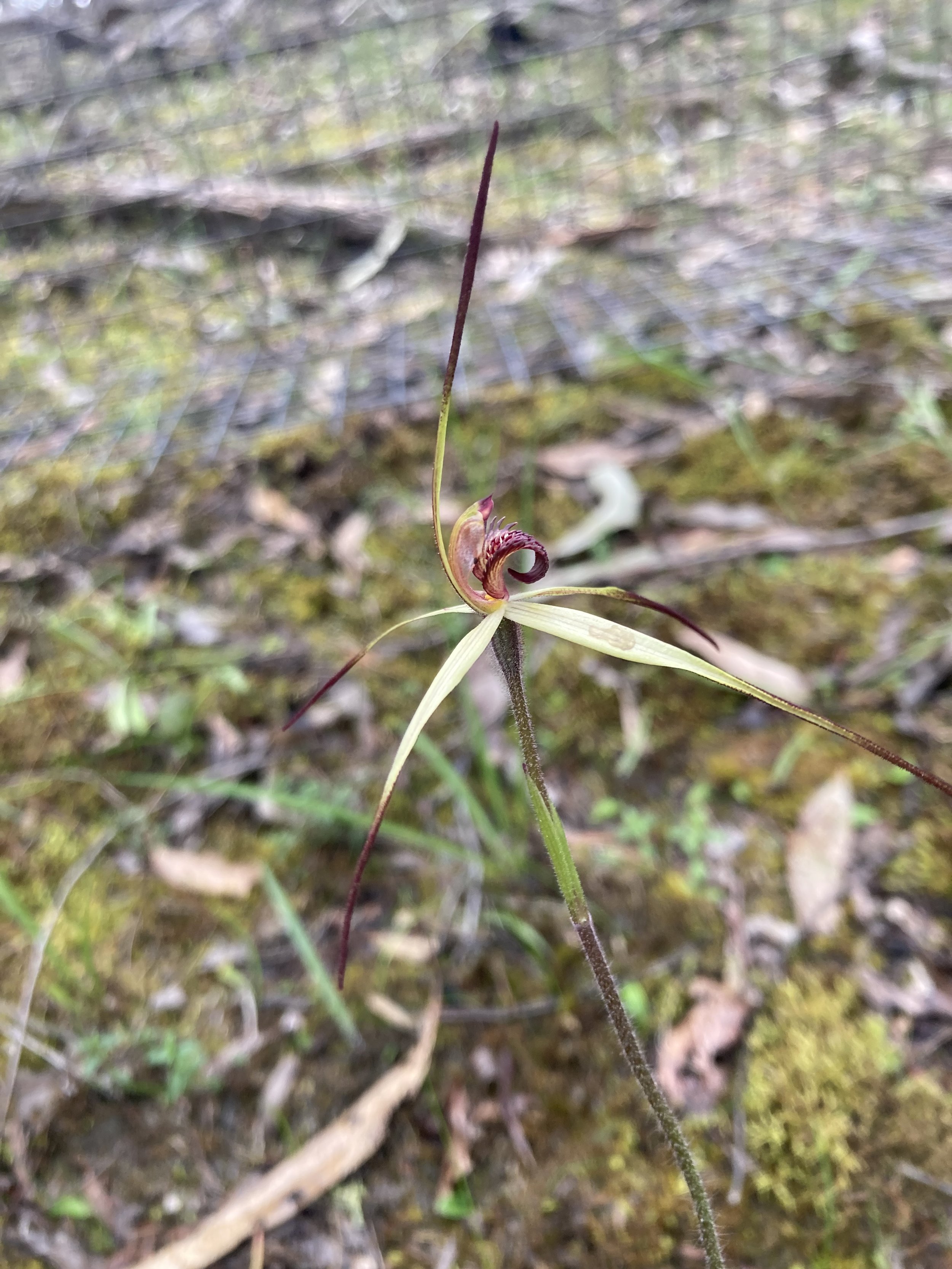
Wine-lipped Spider-orchid (Caladenia oenochila)
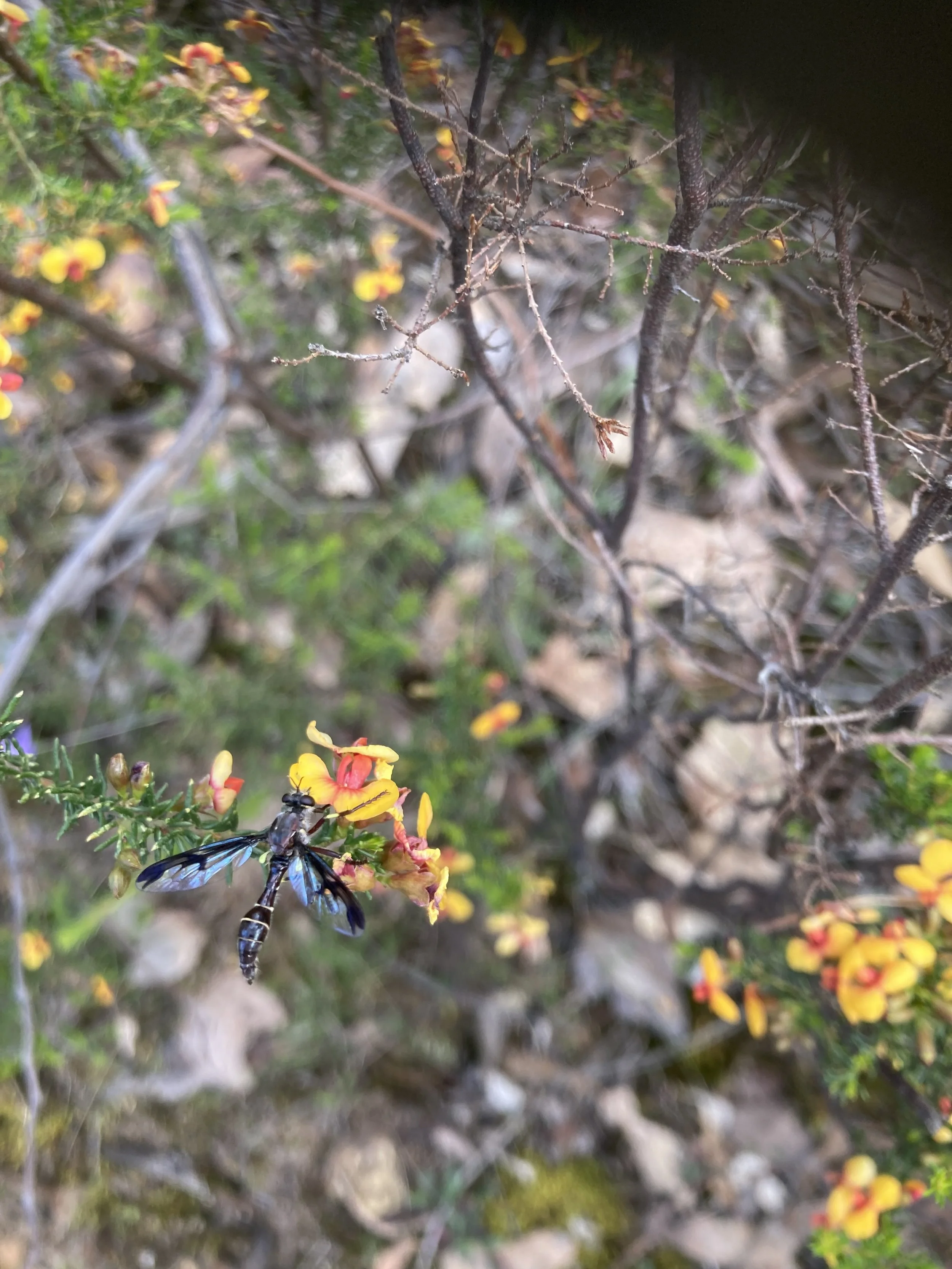
Robber fly (Daptolestes sp.)
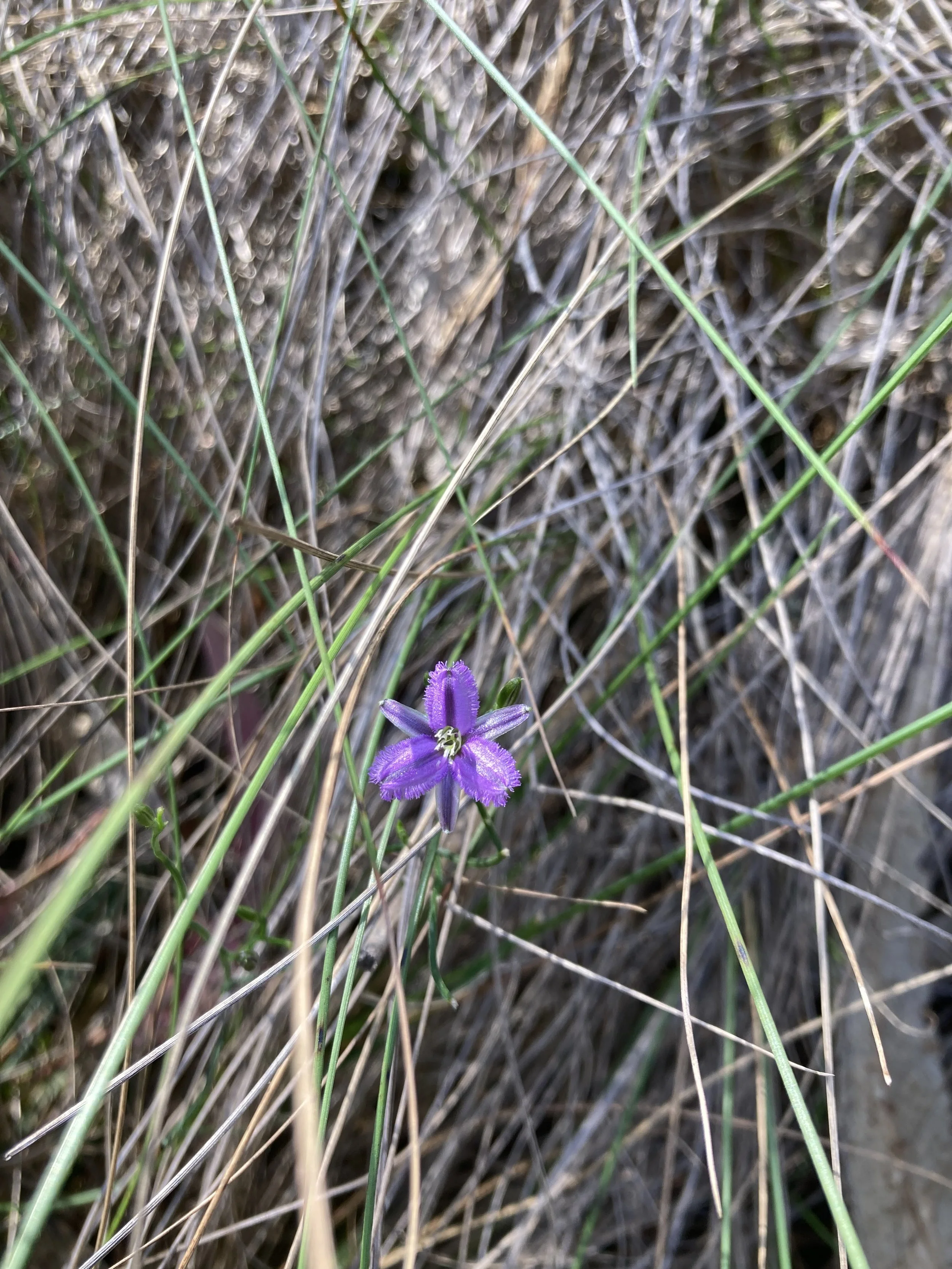
Twining Fringe-lily (Thysanotus patersonii)
Education
Educating ourselves and our community on the needs of our flora and fauna.
Empowerment
Empowering our community to protect the values of our land with shared knowledge.
Protecting Future
Protecting biodiversity values for future generations
Statement of Purpose
Our mission is to protect and enhance the natural ecosystems in the Dunmoochin area. This is achieved by our passionate volunteers dedicating time and resources to understanding the local flora and fauna, conserving habitat for native animals, and reducing the impact of pest and weed species.