
Dunmoochin
Landcare Group
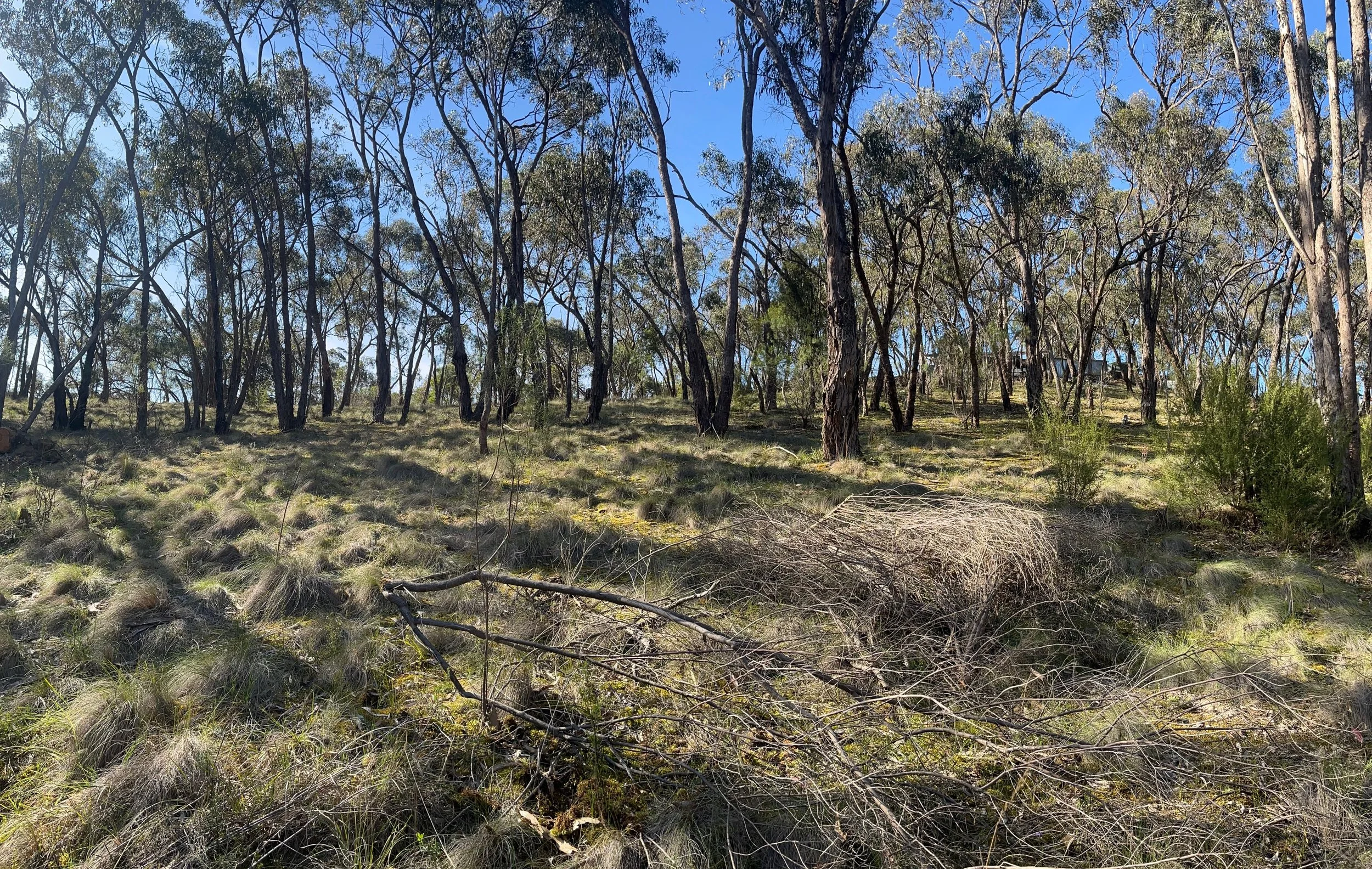
The Dunmoochin story began in the early 1950s. A handful of young artists, encouraged by the visionary painter Clifton Pugh, bought a 105-acre bush property in Cottles Bridge from farmers who considered it “worthless for grazing”. The artists were attracted to the natural beauty, peace and relative seclusion of the property, seeking a life of creativity and freedom away from straightlaced suburban Melbourne.
By the 1960s Dunmoochin had become a burgeoning community of painters and potters with a shared environmental ethos – as potter Leon Saper put it – “not to turn the land into farm land”. Dunmoochin’s bohemian heyday featured prominent Labor Party visitors, legendary weekend-long parties, monthly pottery exhibitions and Friday night gatherings in the communally built pub.
The second wave of residents who moved to the area in the 1970s and 80s, many of whom were environmental scientists, played an important role in the practical achievement of conservation ideals set down by the artists. While early conservation efforts had been aimed at meeting human needs, this new generation helped shift the focus towards preserving nature for its own sake.
In 1989, Leon became the first Dunmoochin landholder – and one of the first people in Victoria – to place a conservation covenant on his property, protecting its natural heritage in perpetuity. A year later, Clif bought back several Dunmoochin properties and placed conservation covenants on them before transferring them to the Dunmoochin Foundation, which he had established to offer residencies for artists and environmental researchers. The Foundation offered six residences, three art studios and a printmaking studio across Clif’s two Cottles Bridge properties. The Foundation ensured Dunmoochin’s ongoing support of artistic endeavour, while the establishment of the Dunmoochin Landcare Group two years later formalised the community’s commitment to environmental conservation.
For 75 years, Dunmoochin has sustained a living relationship between art and the environment.
Written by Laura Russo who has a long-standing connection to the area.
How Dunmoochin Begun
Featured Artists
"These works focus in on small intricate plants which inhabit the bushland around Dunmoochin and neighbouring areas. I spent many hours during my residency exploring these reserves, walking, taking photos, and learning about rare orchid species which cling on in pockets of protected bush. In my work l often depict the symbiosis within these plant communities, and the deeply personal interactions of humans with these systems. The wonderful work of groups like Landcare is a relationship of symbiosis; the bush can continue to survive, and we will continue to enjoy its beauty."
- Stephanie Mortlock, Artist
Stephanie Mortlock
Stephanie Mortlock
Tas Commission
2022
Stephanie Mortlock
Field Studies
2024
Stephanie Mortlock
Caladenia rosella
2022
Stephanie Mortlock
Incognito
2022
“I made these works whilst doing a residency at Dunmoochin Foundation in Cottles Bridge. I painted them en plein air. I walked around the little tracks through the bush to find peaceful spots to inspire me to paint.
- Tyler Arnold
Tyler Arnold
Tyler Arnold
Golden Years
Tyler Arnold
House of Woodcock
Tyler Arnold
Broken Tree and Choughs
Tyler Arnold
Into the Valley
All of the artwork on this site is owned by the artists. We have been given permission to display these as examples of the connection to nature through their works. Please do not copy or share these works without expressed permission from the artists.
Education
Educating ourselves and our community on the needs of our flora and fauna.
Empowerment
Empowering our community to protect the values of our land with shared knowledge.
Protecting Future
Protecting biodiversity values for future generations
Statement of Purpose
Our mission is to protect and enhance the natural ecosystems in the Dunmoochin area. This is achieved by our passionate volunteers dedicating time and resources to understanding the local flora and fauna, conserving habitat for native animals, and reducing the impact of pest and weed species.